

Train & Bike for Research: Traveling Differently in Academia
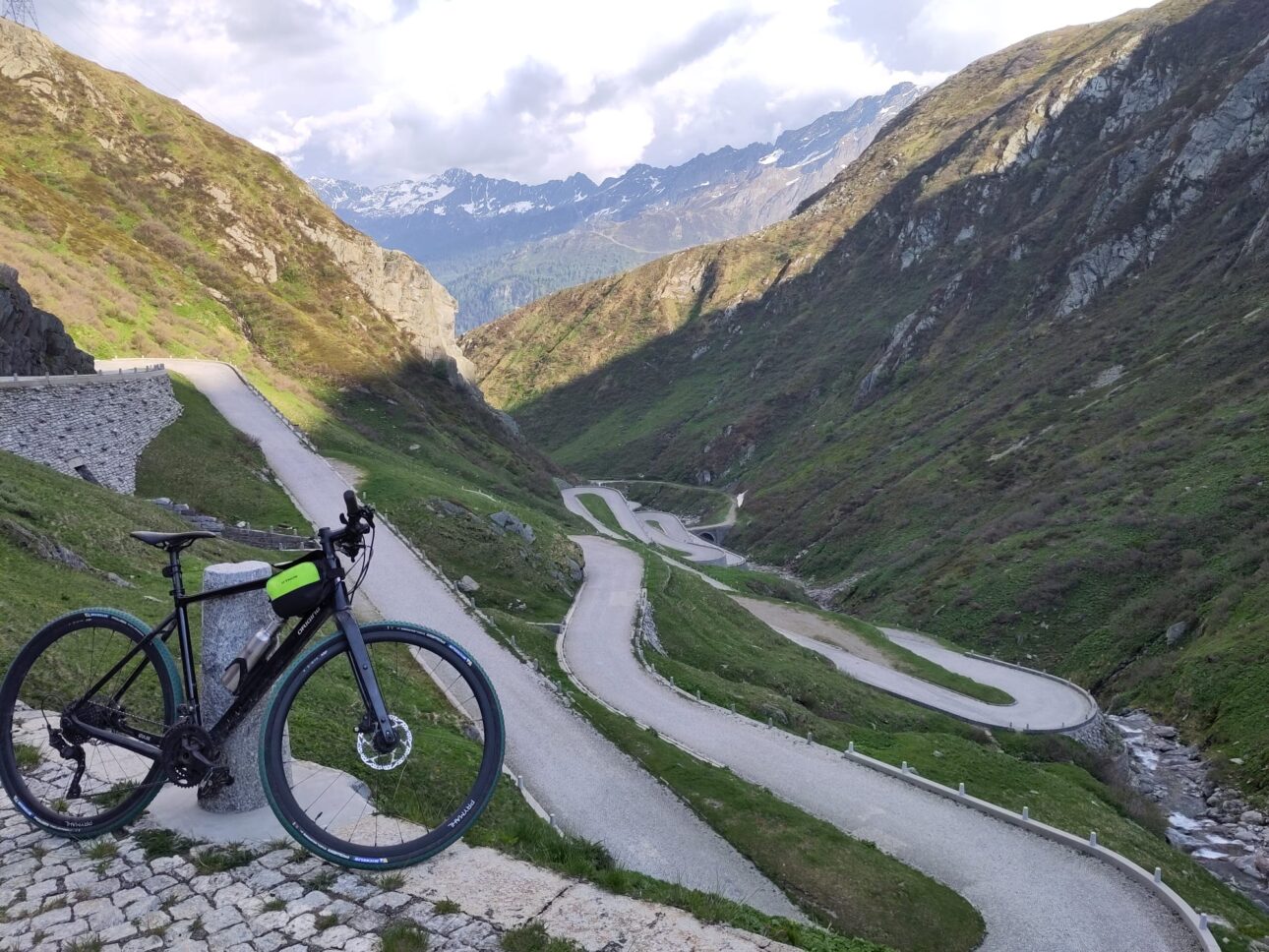
During my PhD, I attended numerous conferences. For a long time, I’ve tried to avoid flying and, as much as possible, to travel only by train and bike. To give this approach a clear guideline, I set myself a simple rule: for any trip that can be done in less than a day by bike, I take the bike. This decision, motivated by environmental considerations, a desire for personal consistency, and the wish to raise awareness, led to journeys that were sometimes demanding but always memorable—both personally and professionally. I’d like to share two particularly significant experiences.
Ascona: a challenging but unforgettable ride
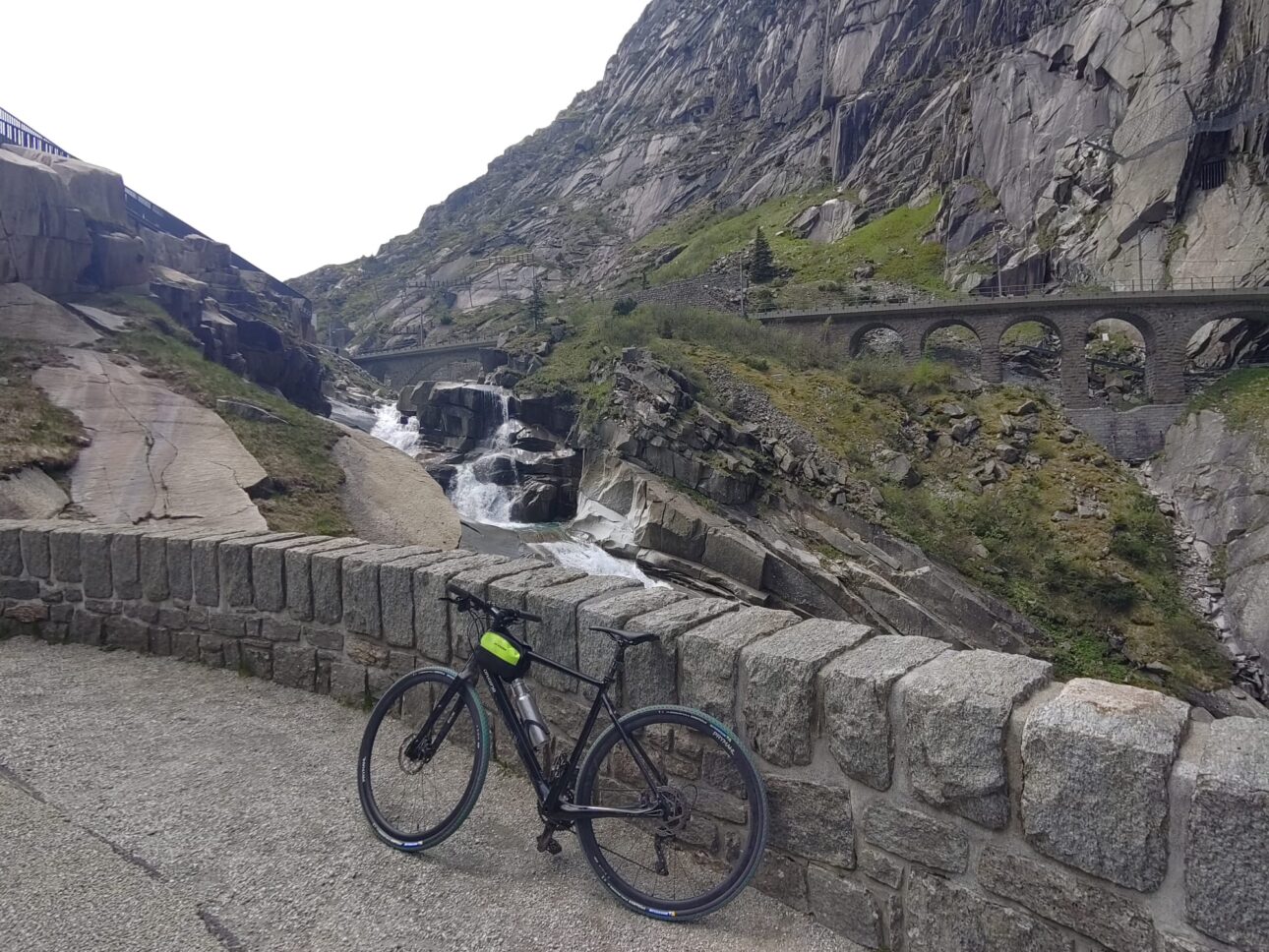
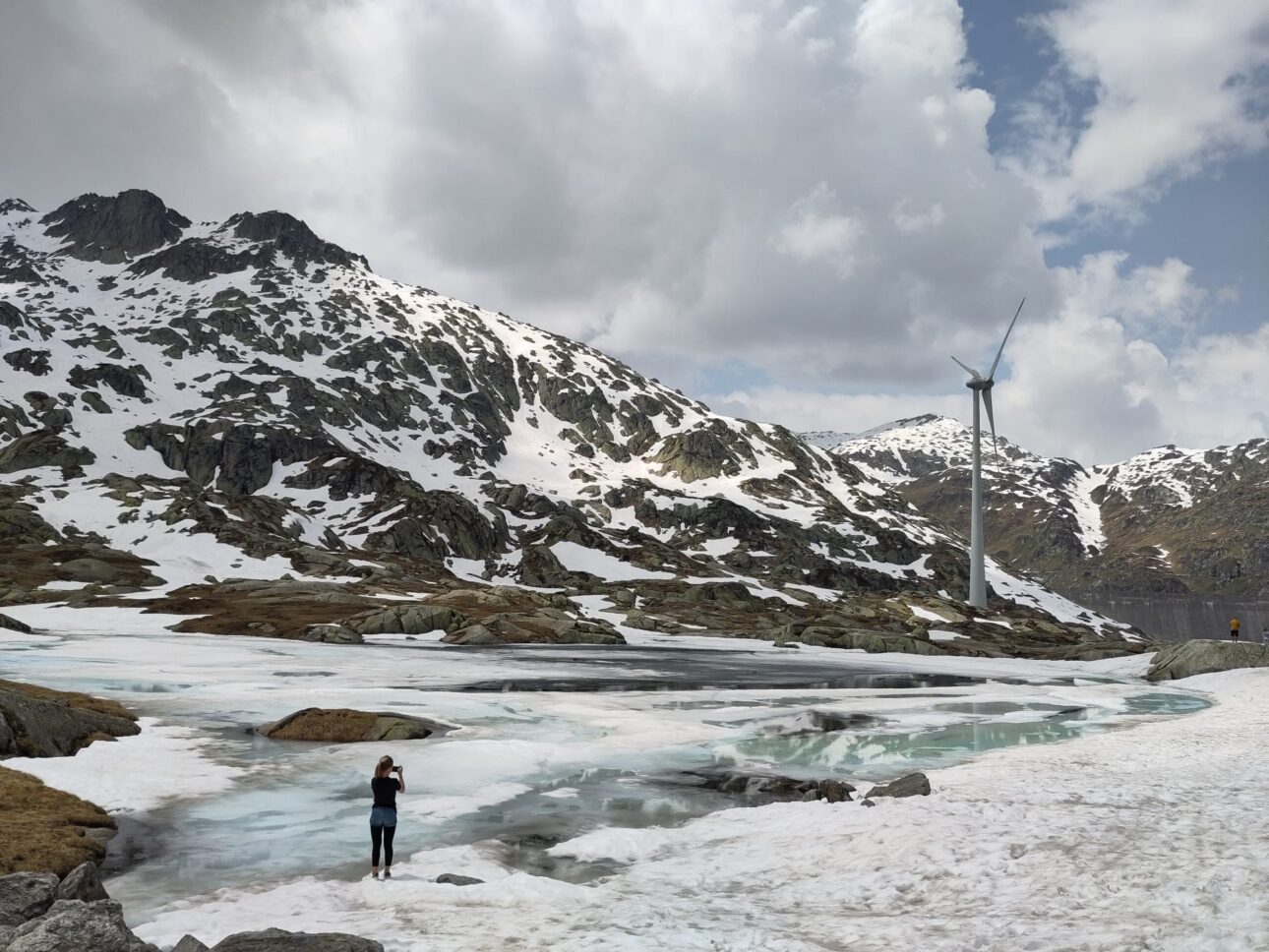
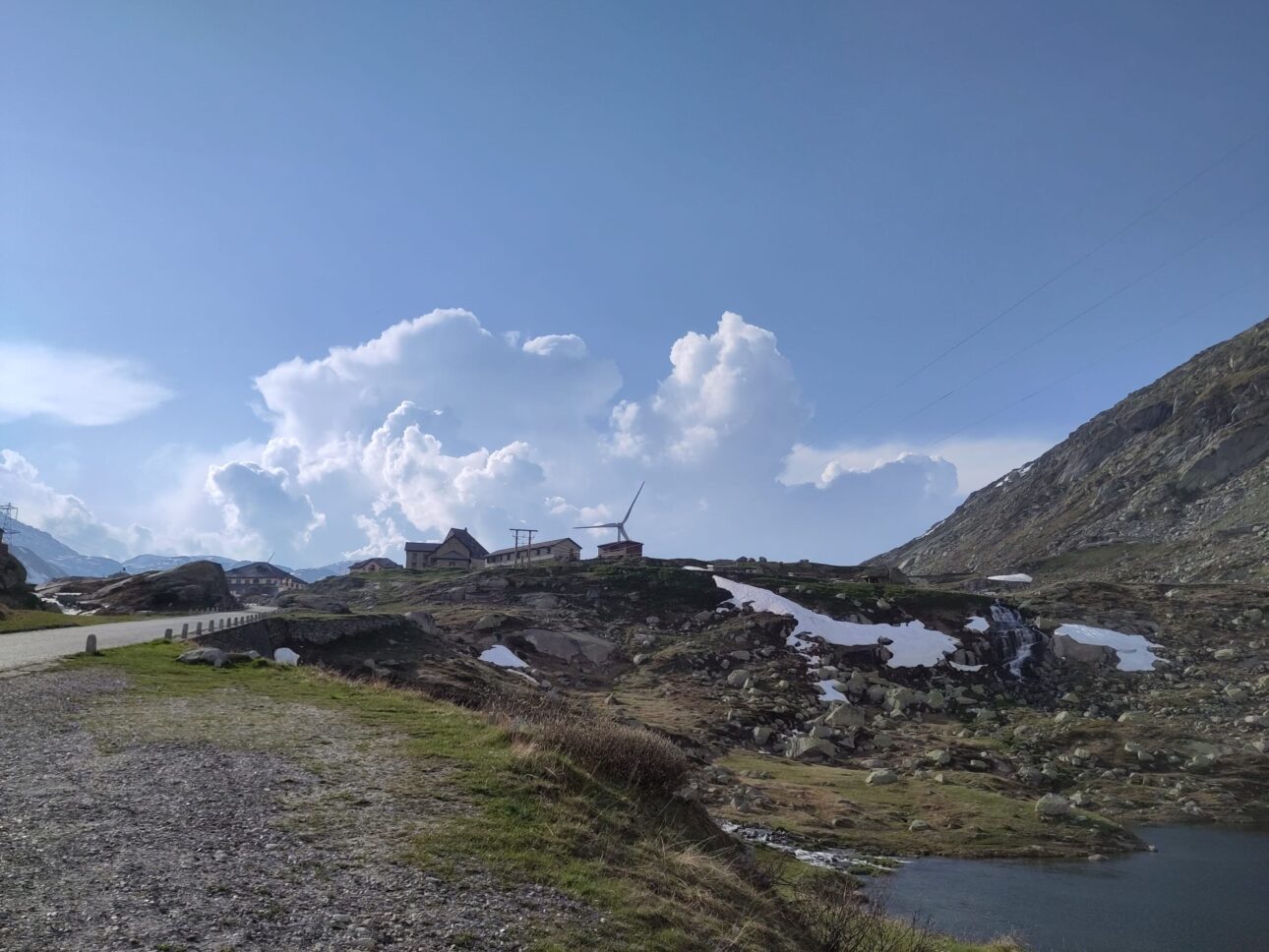
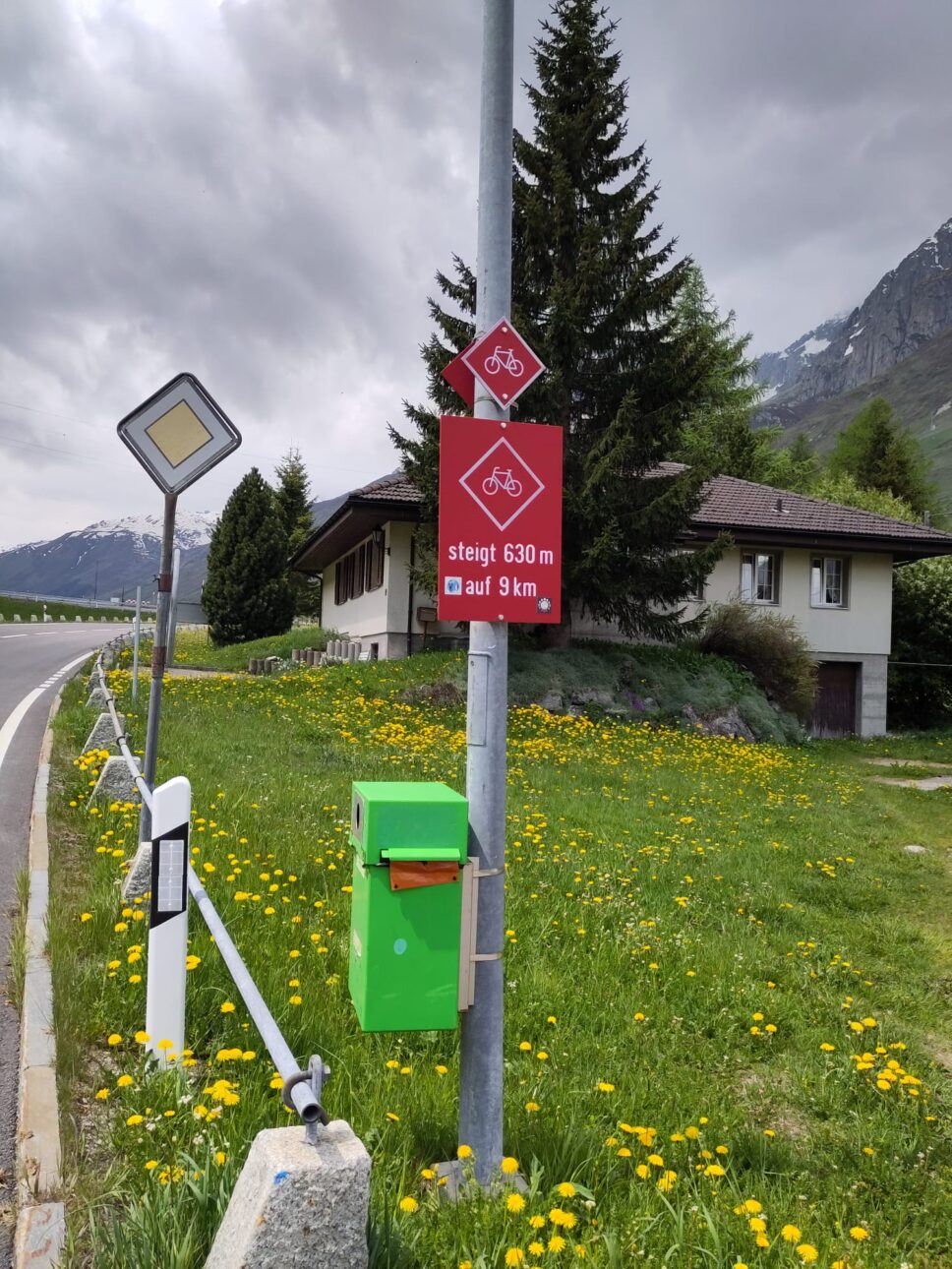
The climb up the Gotthard Pass remains a vivid memory: stunning landscapes, snow at the summit, a snowball fight with people at the top. The descent into Ticino was harder; fatigue made the end of the trip particularly tough. Fortunately, a colleague agreed to carry my luggage by train, which made the ascent much more manageable.
When I arrived, several participants already knew that a PhD student had made the trip by bike. This immediately facilitated conversations and served as a natural entry point for many discussions. It wasn’t the goal, but it’s a very practical advantage for a PhD student to make their work known. A professor had also come by train and bike, which naturally created a sense of affinity and a topic for discussion—both scientific and informal.
On the way back, rain followed me up to the Via Romana of the Gotthard, but since it stopped during the climb, nature was calm, and I had wonderful companions: marmots and chamois along the path. Nothing better to keep your spirits up during long hours of climbing.
 Autrans: turning a trip into an opportunity for connection
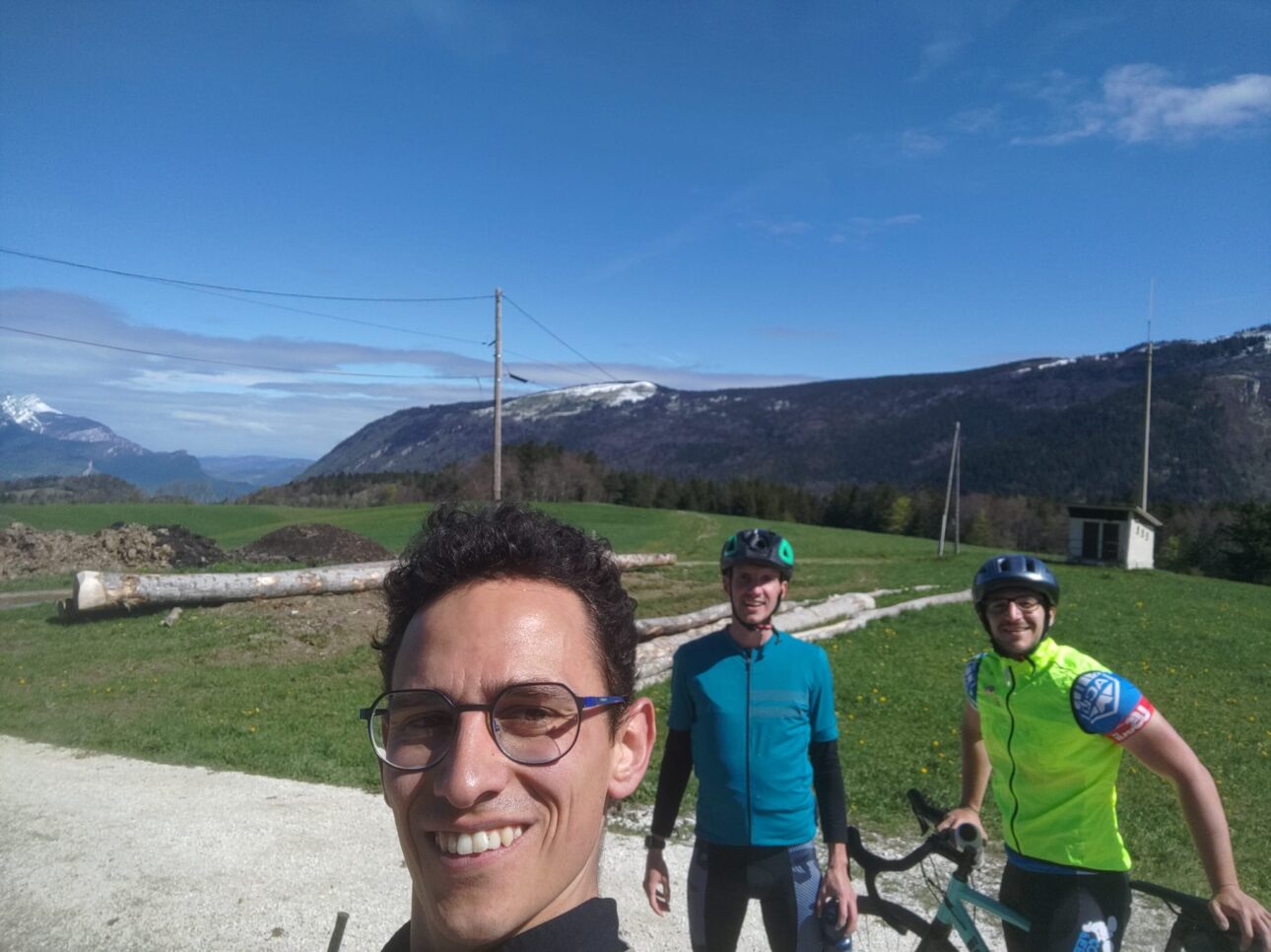
Another memorable experience: a conference in Autrans, in the French Alps near Grenoble. This time, doing the entire round trip by bike wasn’t realistic: I love my work, but sacrificing two full weekends would have been excessive. So I combined train travel to Grenoble with biking for the last stretch. Especially since only private shuttles were offered, which wasn’t an option for me.
When I informed the organizers that I wouldn’t need a shuttle, I discovered that a committee member and his PhD student also planned to ride up by bike. So we did the climb together. In Grenoble, colleagues took our bags to lighten the ascent, and we followed an old tramway route known by a local organizer. Three hours of discussion: mathematics, the conference program, informal exchanges. This trip greatly facilitated interactions for the rest of the week. We even went mountain biking during the conference.
This kind of travel naturally creates opportunities for exchange that conventional trips don’t foster.
Other conferences in Les Diablerets, Oberwolfach, and elsewhere were also occasions to adopt low-carbon transport modes. These trips were less spectacular but part of the same intention: traveling differently in academia.
This approach goes back to a discussion during my master’s about the dangers of cycling and the sometimes aggressive behavior of drivers. I was intentionally hit twice in six years in Zurich. Explaining the risks of cycling while trying to promote its use remains difficult for me, as it affects me personally. After a particularly discouraging conversation, a friend told me he now bikes to work because:
“If you do those trips by bike for your job, then I can at least bike the 5 km to my office.”
Traveling differently sometimes requires a little more time and energy, but it’s often richer in human terms, more consistent with climate challenges, and more aligned with the direction research should take if it truly cares about its ecological impact.
Thanks for sharing your inspiring terran travel story Victor.