

I’m coming along, but I’m not flying! (Lofoten Islands)
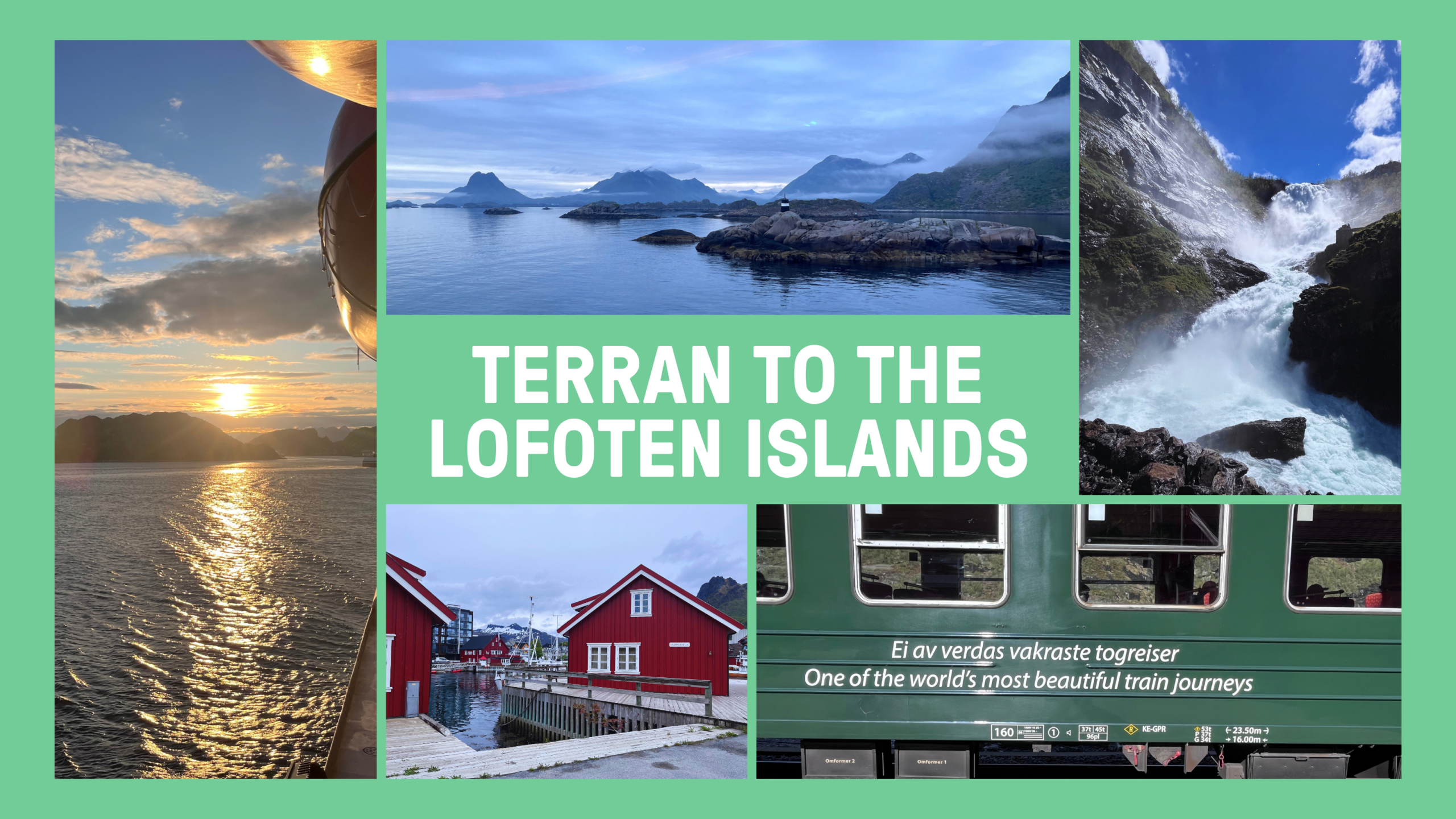 The office is flying to the Lofoten Islands, but she isn’t! Instead, Karin, living a terran lifestyle, is travelling by night train, bus and ferry all the way beyond the Arctic Circle, and will return the same way after the team trip. After two weeks, laden with a rucksack, she is the richer for an experience of a lifetime and impressively demonstrates to us that any journey can be re-evaluated and re-planned.
The office’s taking off? Count me out.
I work in an office that goes on the odd crazy trip every now and then. In 2022, for example, we all went to Lisbon together. I boarded the plane somewhat reluctantly at the time and eased my conscience a little by extending the trip privately on my own and visiting a neighbour who had emigrated to Portugal. My reservations weren’t entirely allayed, though.
I discovered Interrail about a year ago. This immediately opened up a whole new world of travel opportunities and inspiration. The three of us – my husband, our adult daughter and I – set off on our first trip from Winterthur via Maribor, Graz, Linz, Regensburg, Bonn, Utrecht and Amsterdam, before returning home. The next trip together followed that very same winter. We travelled by train to see the Northern Lights, via Hamburg and Stockholm to Kiruna, Narvik and Abisko. Both trips were absolutely wonderful.
And then came the work trip to the Lofoten Islands. The official plan: fly to Munich on Wednesday evening, continue on to Bodø on Thursday, then another half-hour flight to Svolvær on Friday. Three nights in the Lofoten Islands, followed by a direct flight from Evenes to Zurich. My reaction: I’ll come along, but I’m not flying! I knew there was another way. I was already familiar with the route via Sweden, so this time I’d go through Norway.
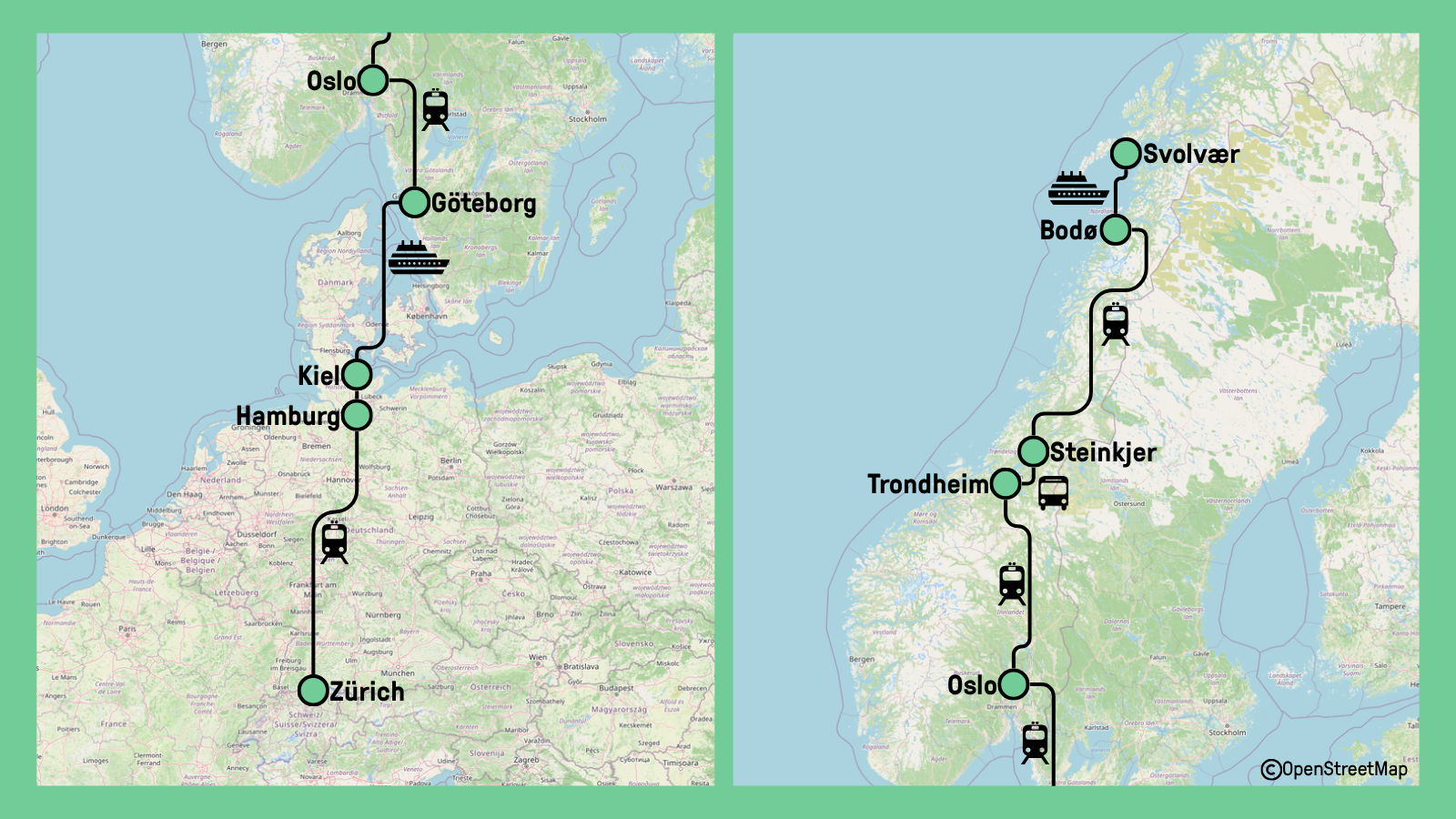
Via Kiel and Oslo to the Arctic Circle
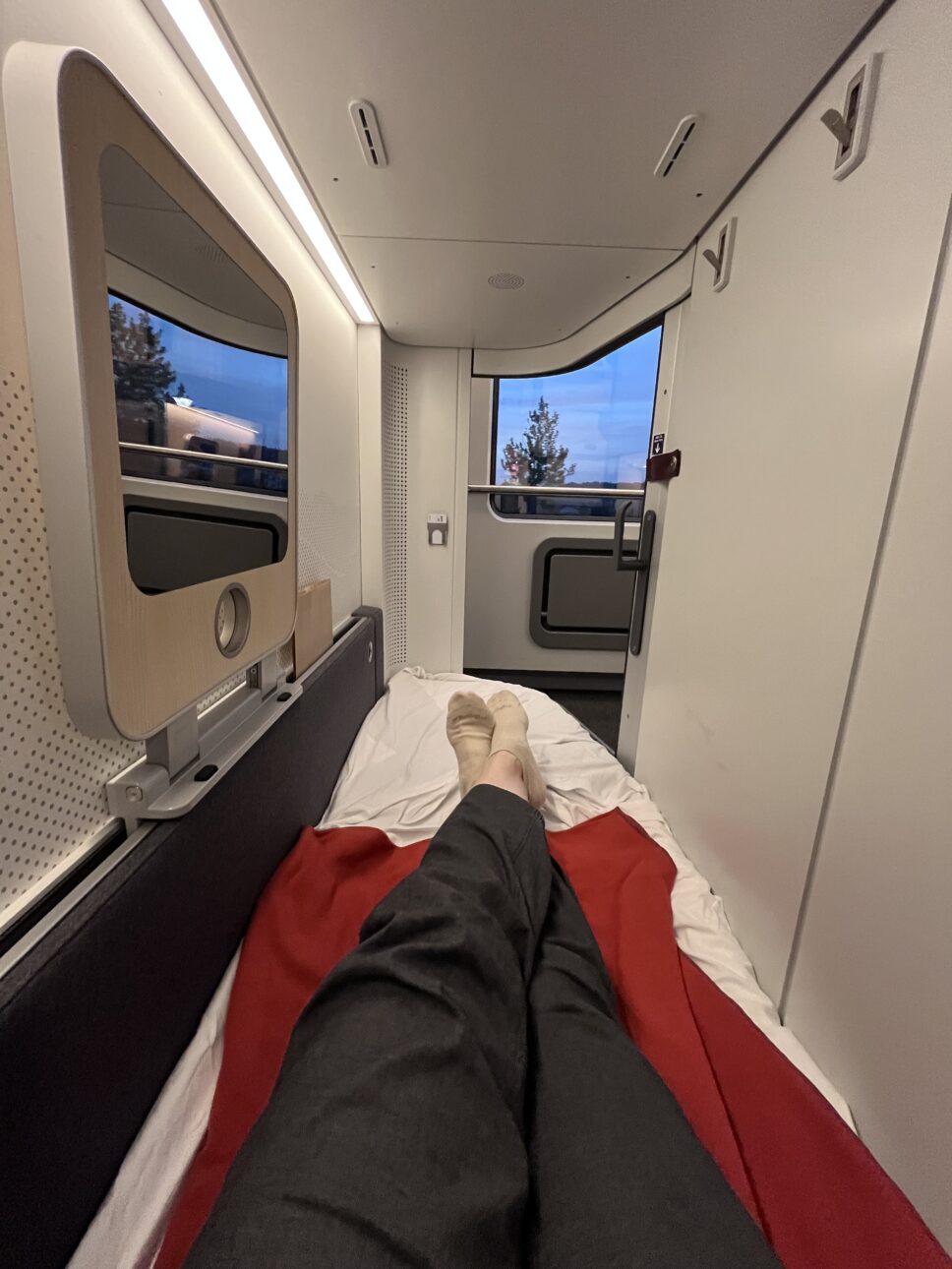
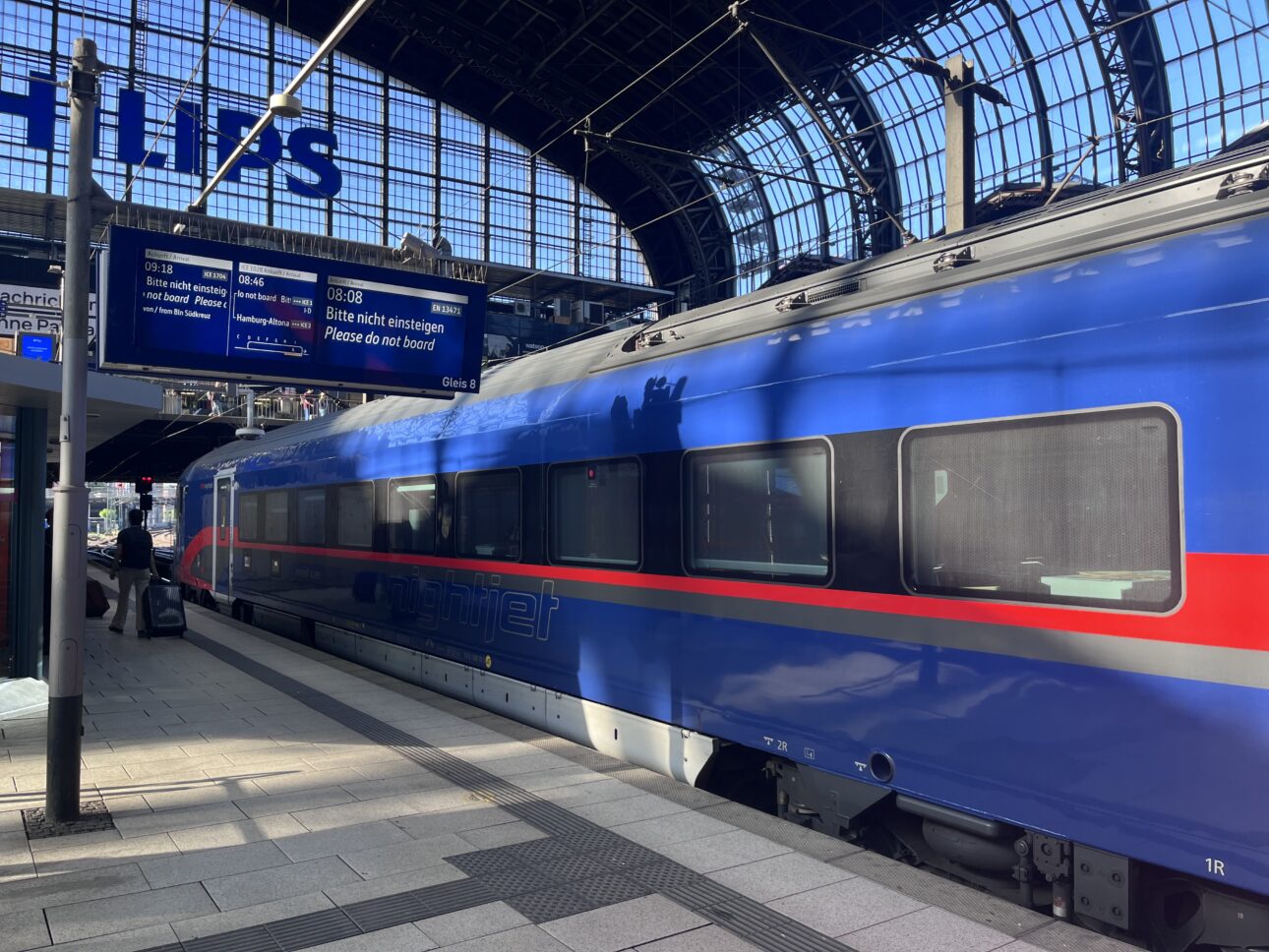
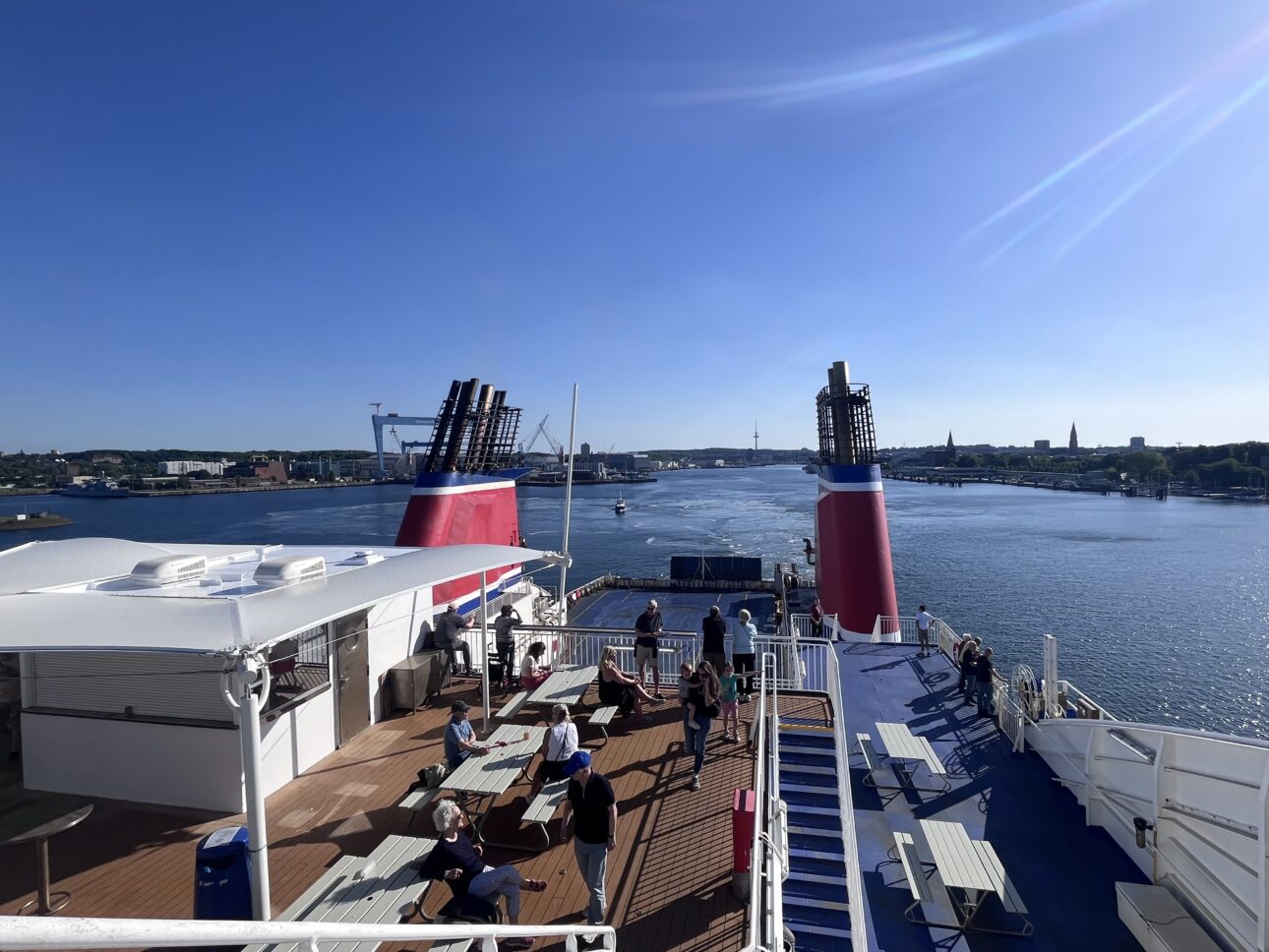
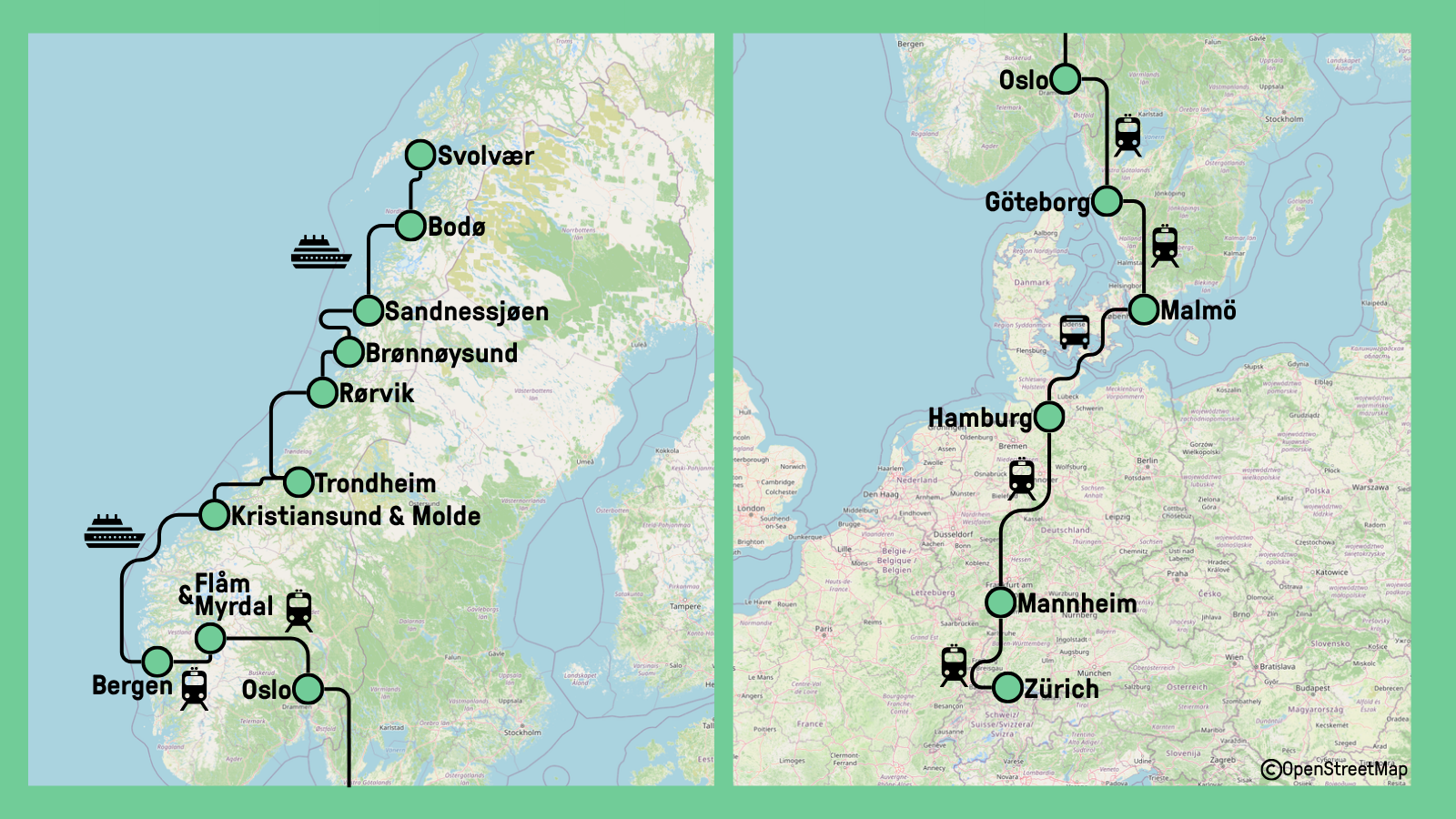
So, on Sunday evening, carrying nothing but a rucksack, I boarded the ÖBB Nightjet from Zürich to Hamburg and made myself comfortable in my mini-cabin (the supplement for the cabin on top of the Interrail pass was around CHF 55). I arrived in Hamburg in the morning, feeling well-rested, and had around seven hours to spare before I had to catch my next train. More than enough time to have a look around the port city, stretch my legs and enjoy a good meal. I then took the train to Kiel and from there boarded the night ferry to Göteborg (at a discounted rate thanks to Interrail). I didn’t stay in Göteborg for long, but straight away boarded the train to Oslo, where I arrived at 1.45 pm on Tuesday.
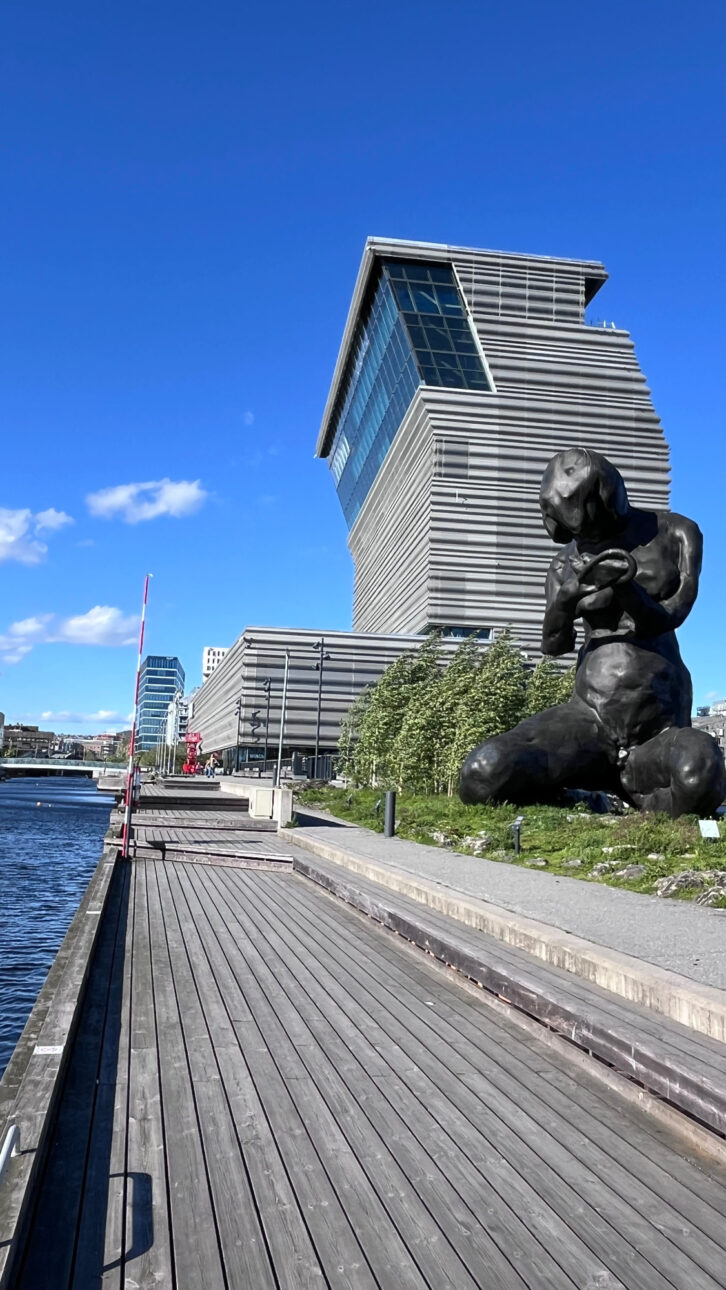
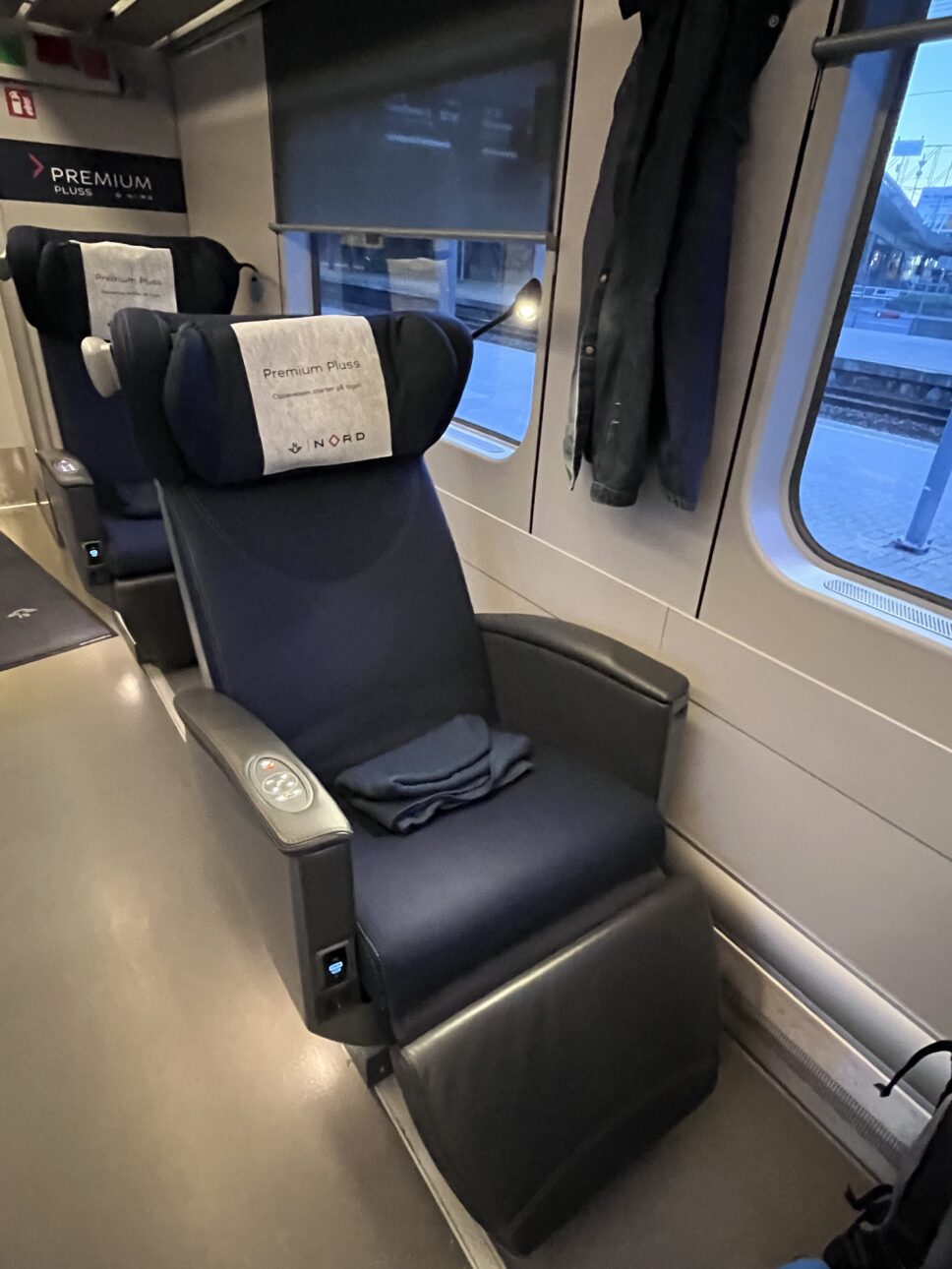
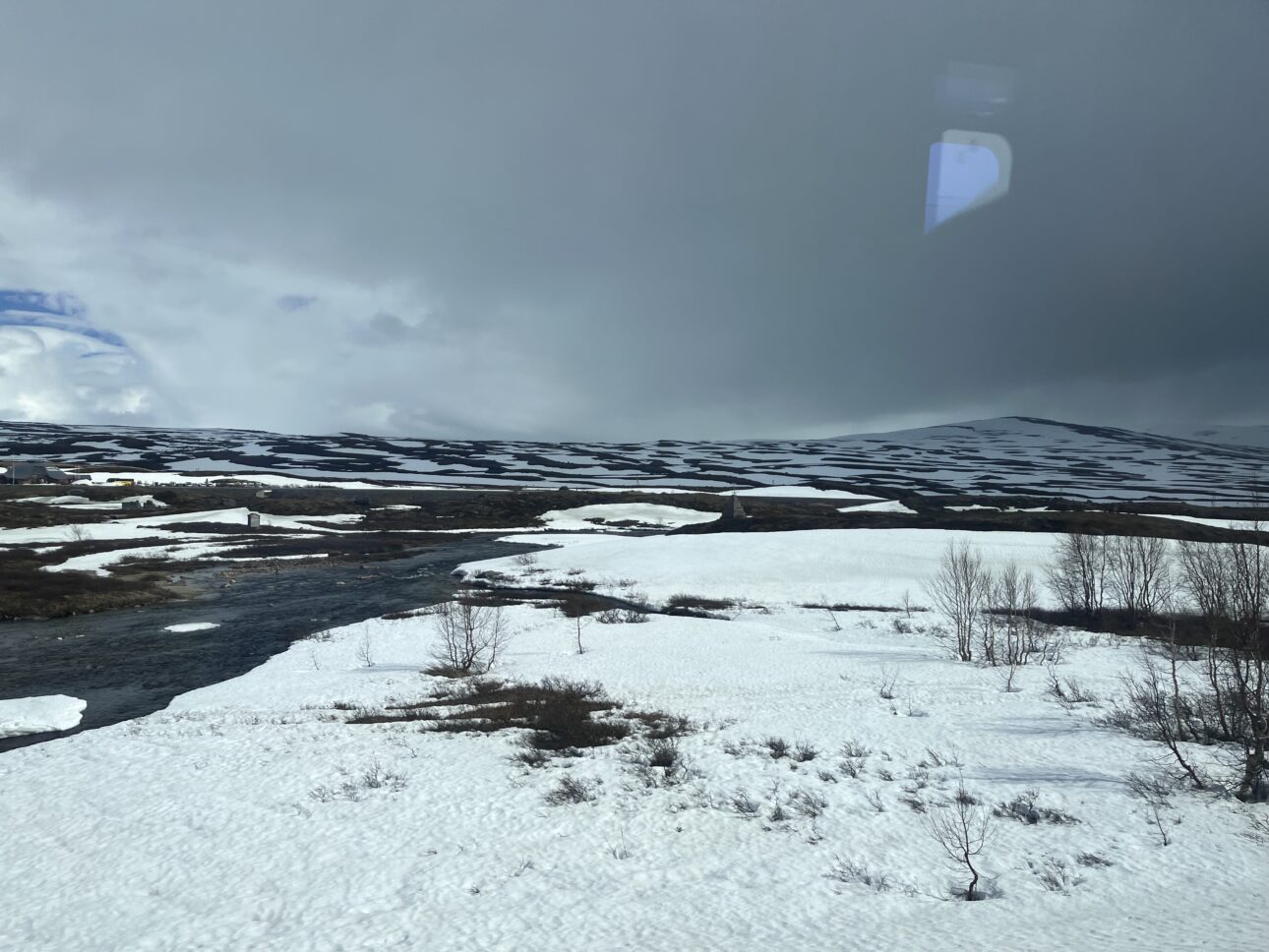
Eight hours in Oslo were on the itinerary. I visited the Munch Museum, strolled to the palace and treated myself to a leisurely dinner before the night train to Trondheim departed at 10.50 pm. This time I opted for a Premium Plus comfort seat (approx. CHF 45), which I was keen to try out as an alternative to a couchette, and it was perfectly adequate. At 6.40 am, it was time to get off the train again. After a quick breakfast, I travelled for two hours by rail replacement bus to Steinkjer due to engineering works, and from there by train to Bodø. This is where the Nordland Railway runs – Norway’s longest continuous railway line. Arrival at 5.40 pm: by Wednesday evening, I had reached the Arctic Circle.
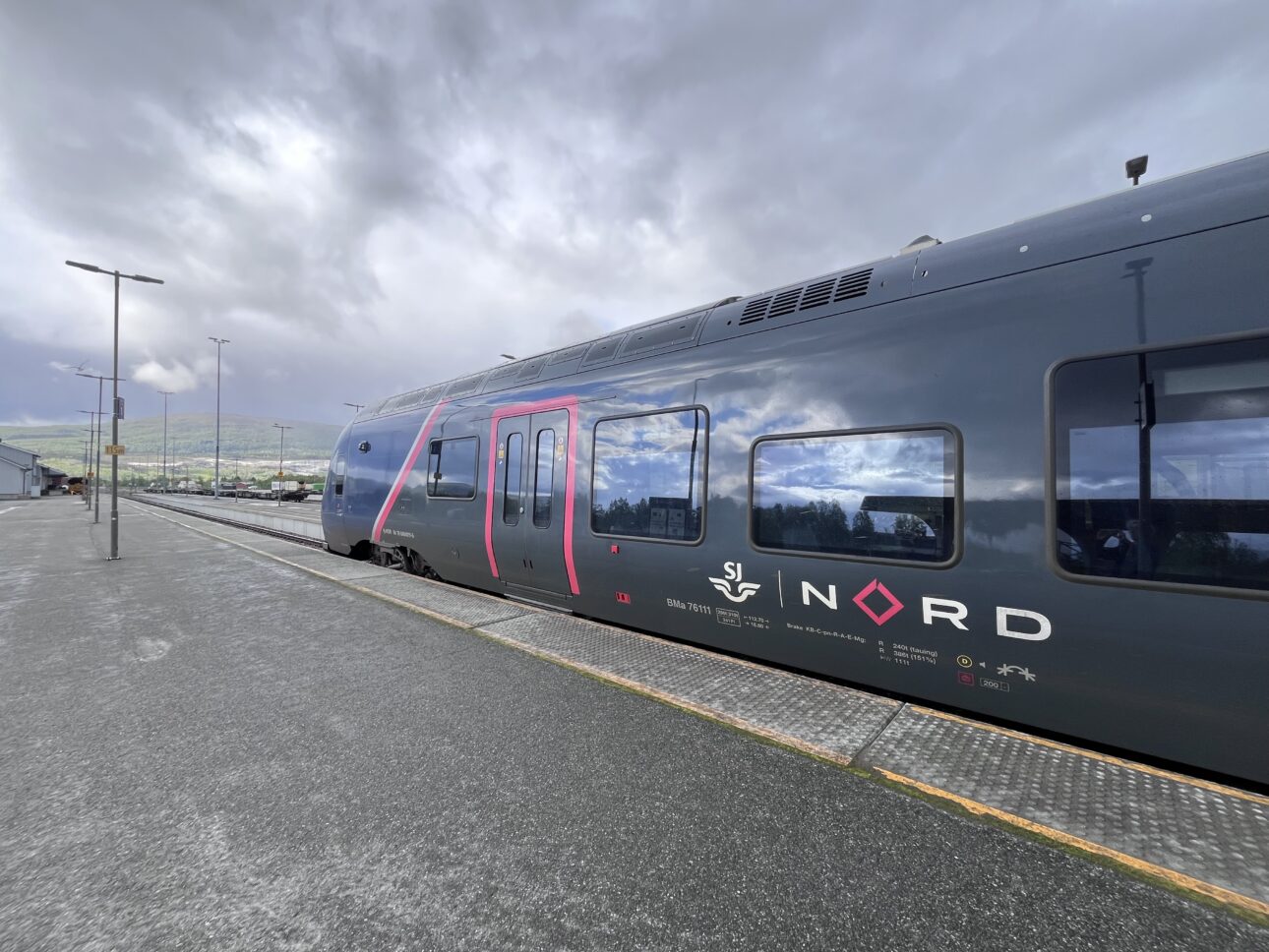
Travelling by boat to see my office mates
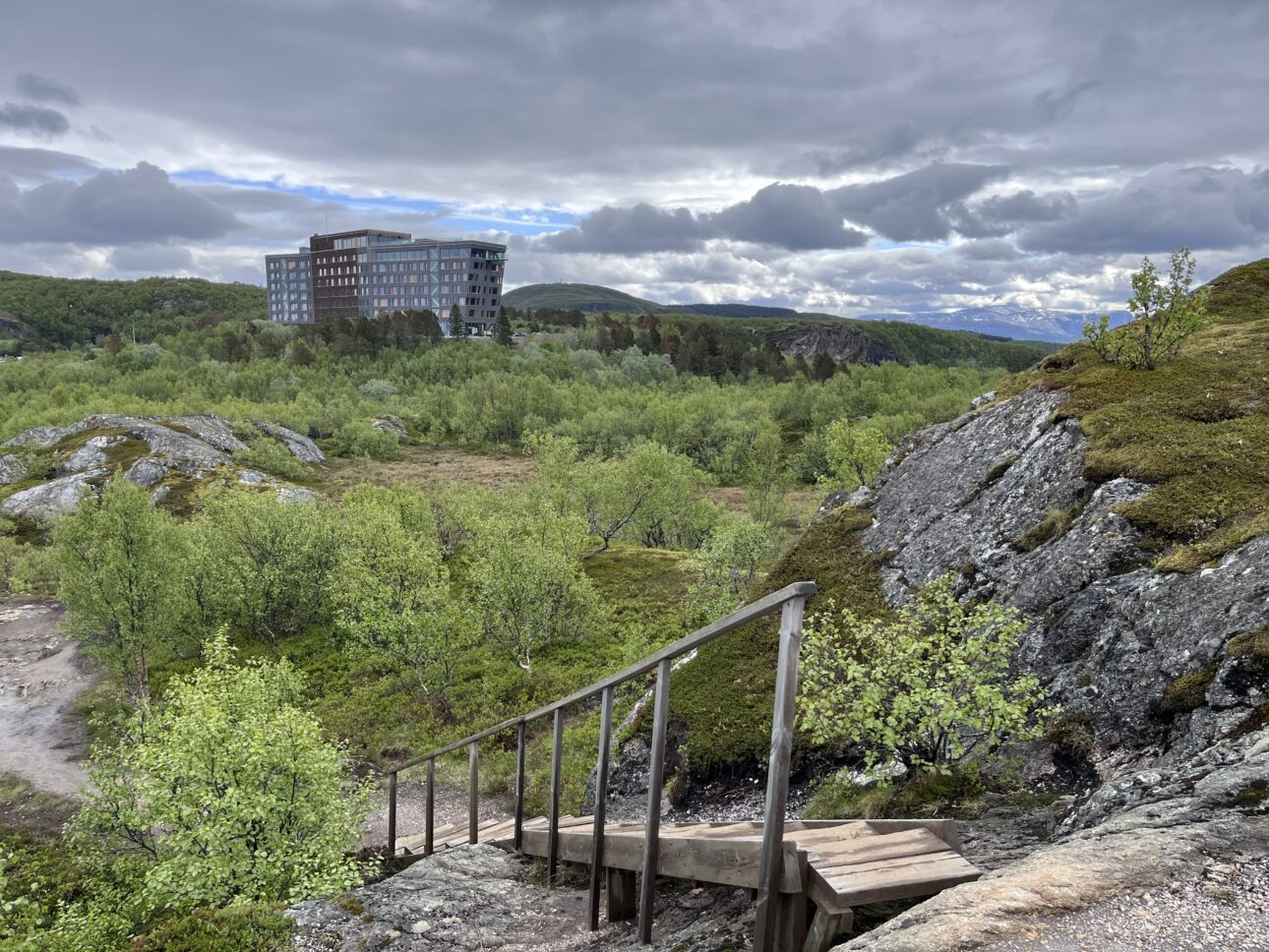
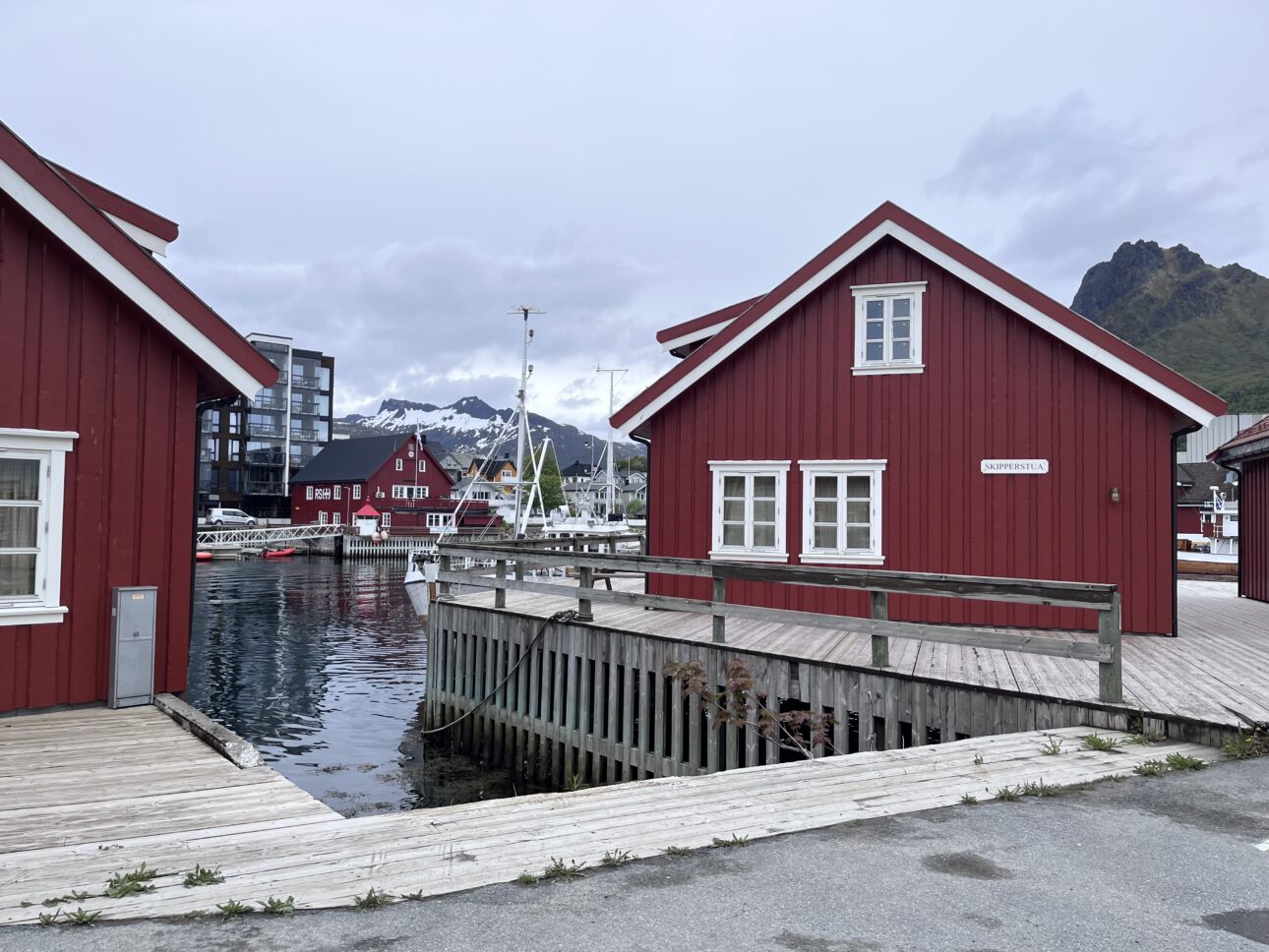
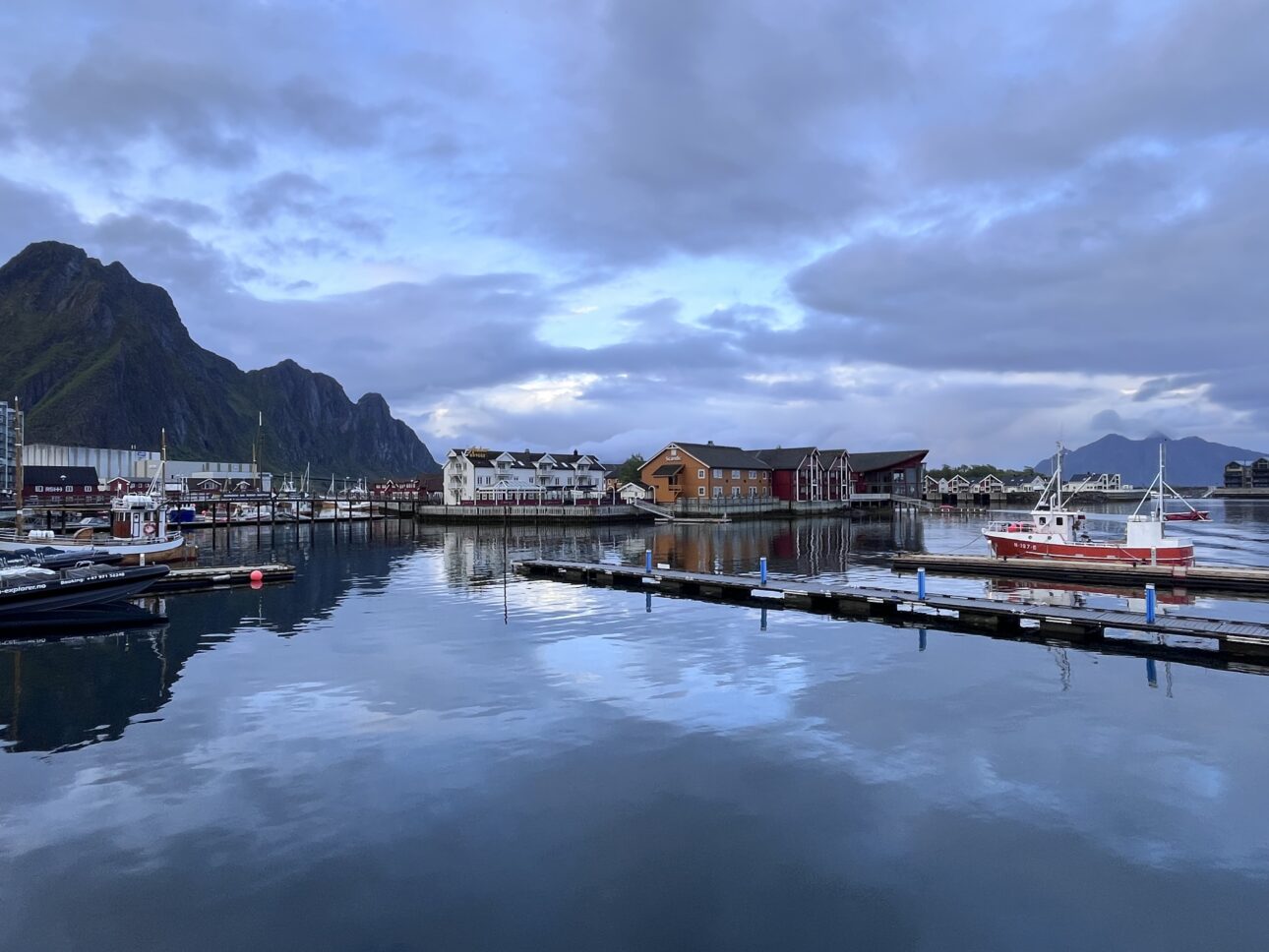
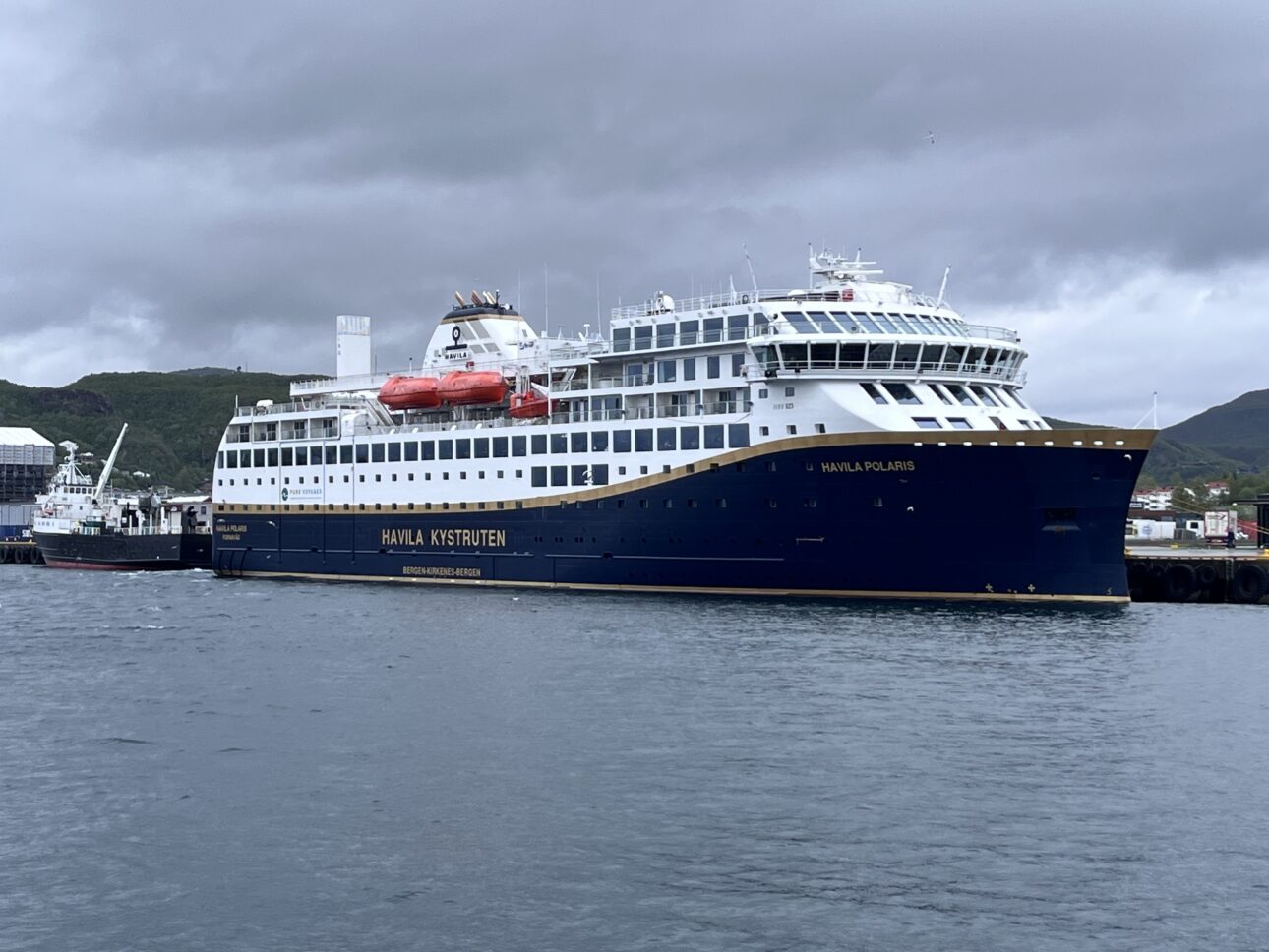
In Bodø, I stayed at the Wood Hotel, high above the town. Although my colleagues were also due to arrive in Bodø the following day, they were then travelling on to the Lofoten Islands by plane, so I didn’t want to wait for them here. So, on Thursday afternoon, I boarded a ship operated by Havila – a relatively new shipping company that has been operating modern, more environmentally friendly LNG hybrid vessels on the official scheduled service along the Norwegian coastal route since 2021/2022 – for the six-hour crossing to Svolvær. At around 35 Swiss francs, this crossing was, incidentally, cheaper than a flight. Although we didn’t arrive until 9.20 pm, at the end of May it’s practically broad daylight there at that time.
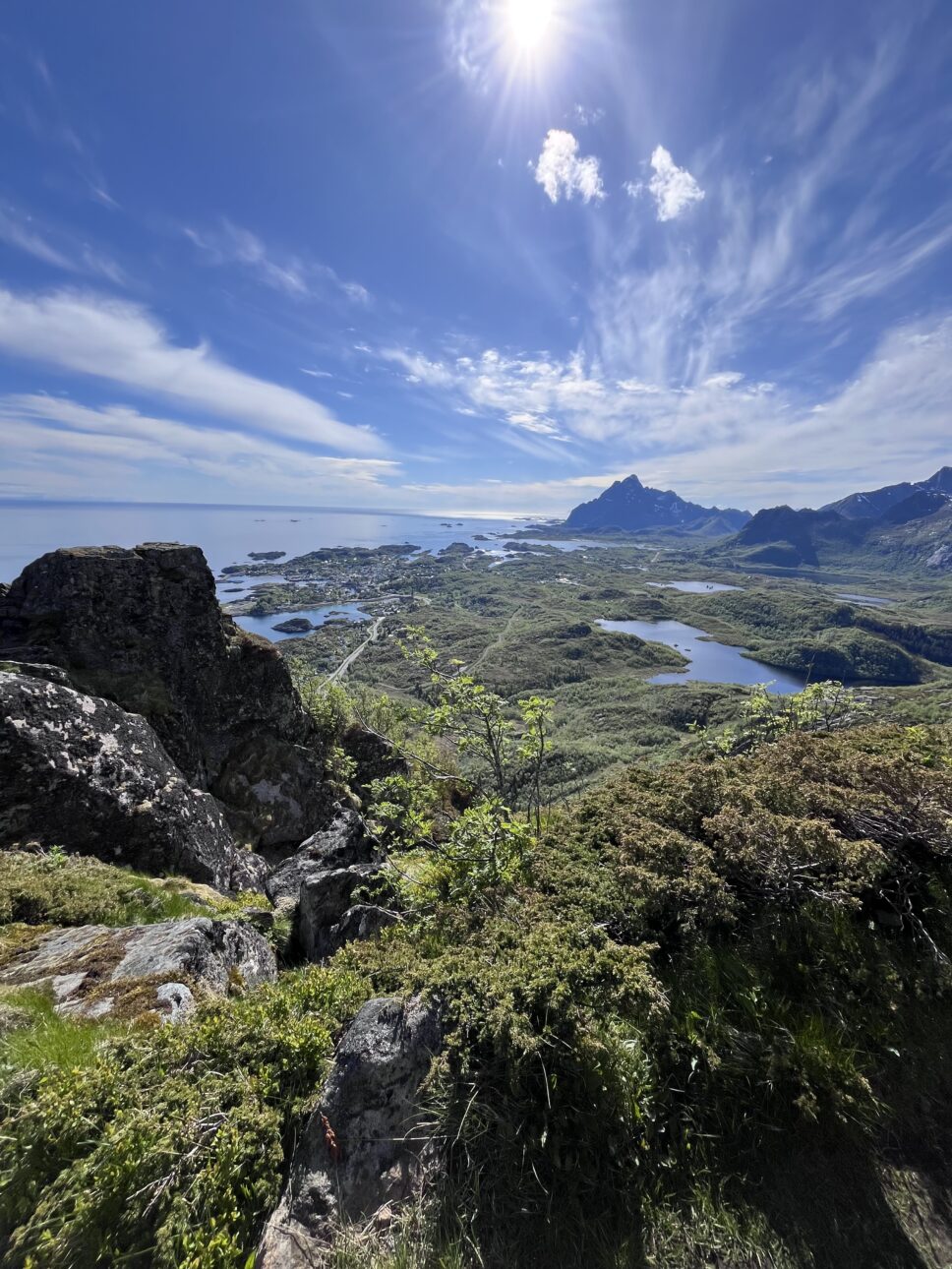
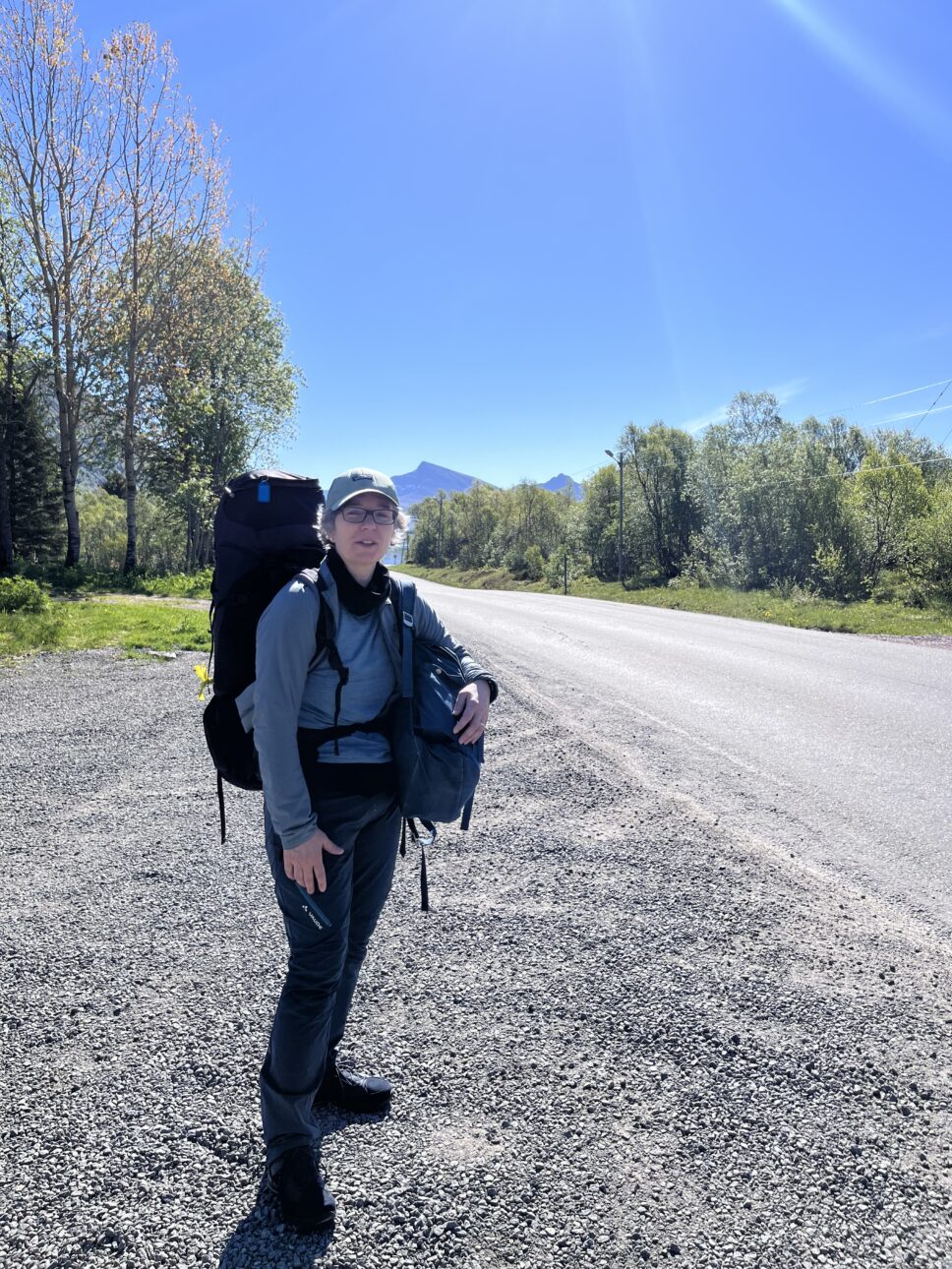
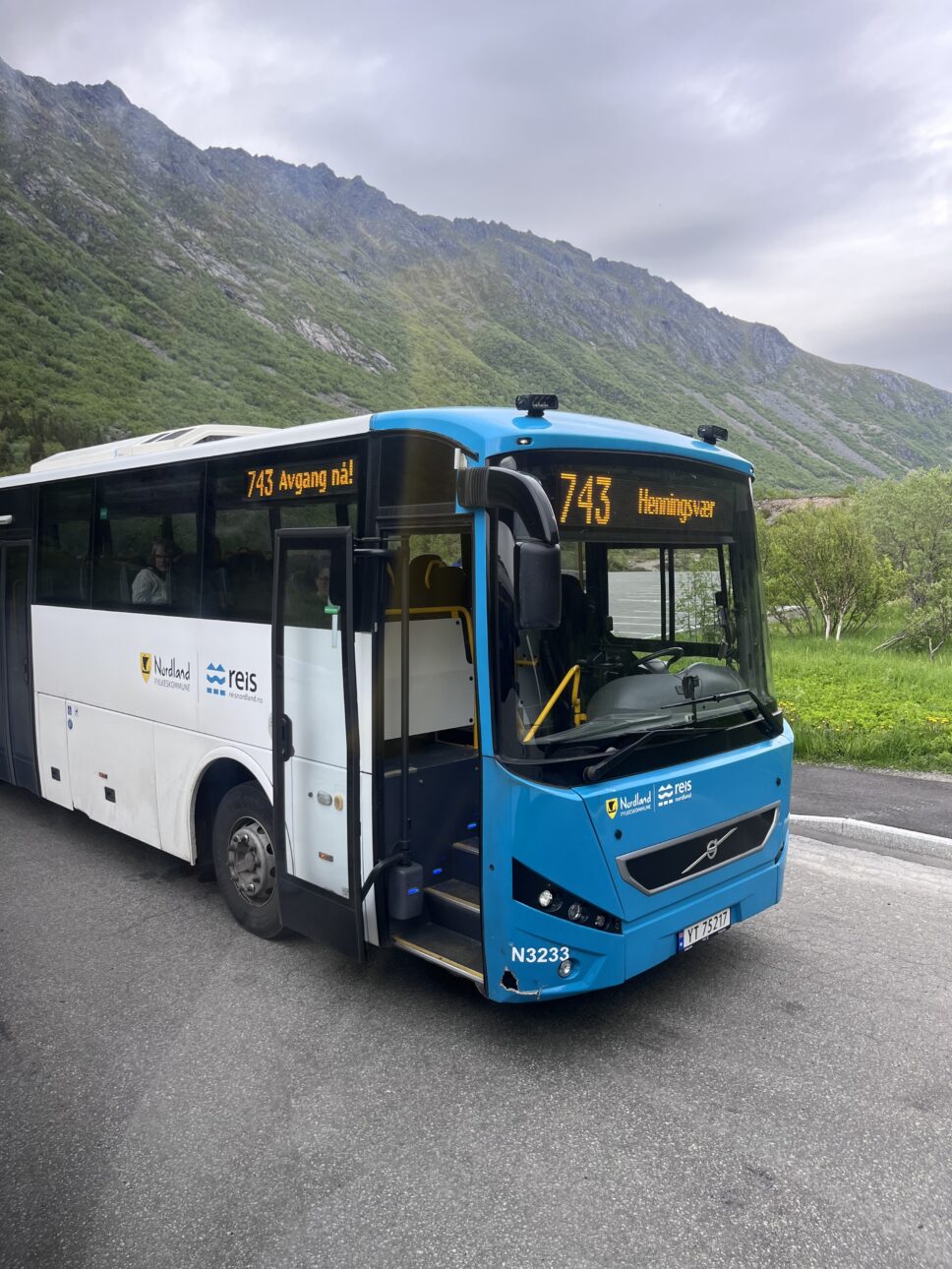
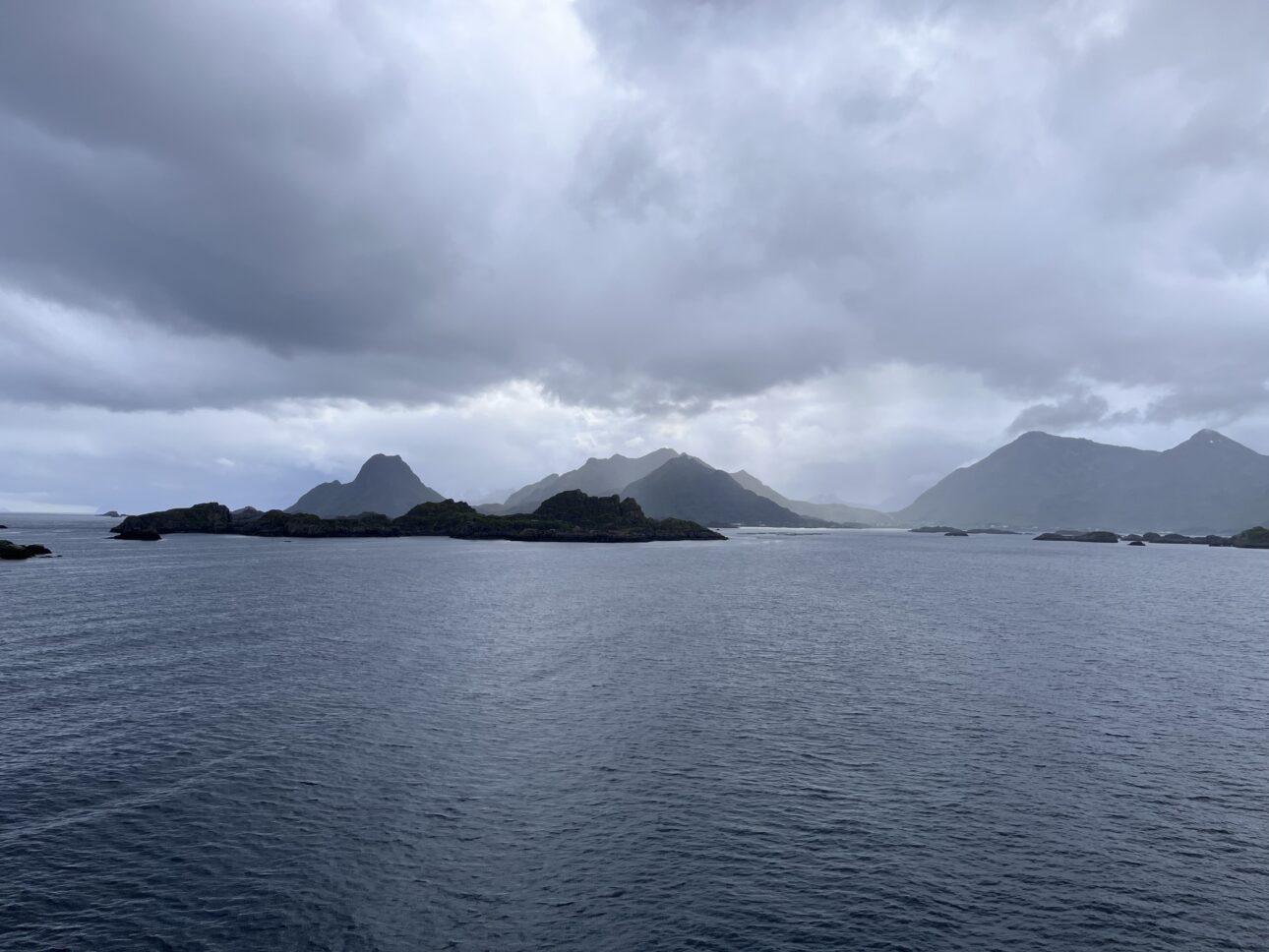
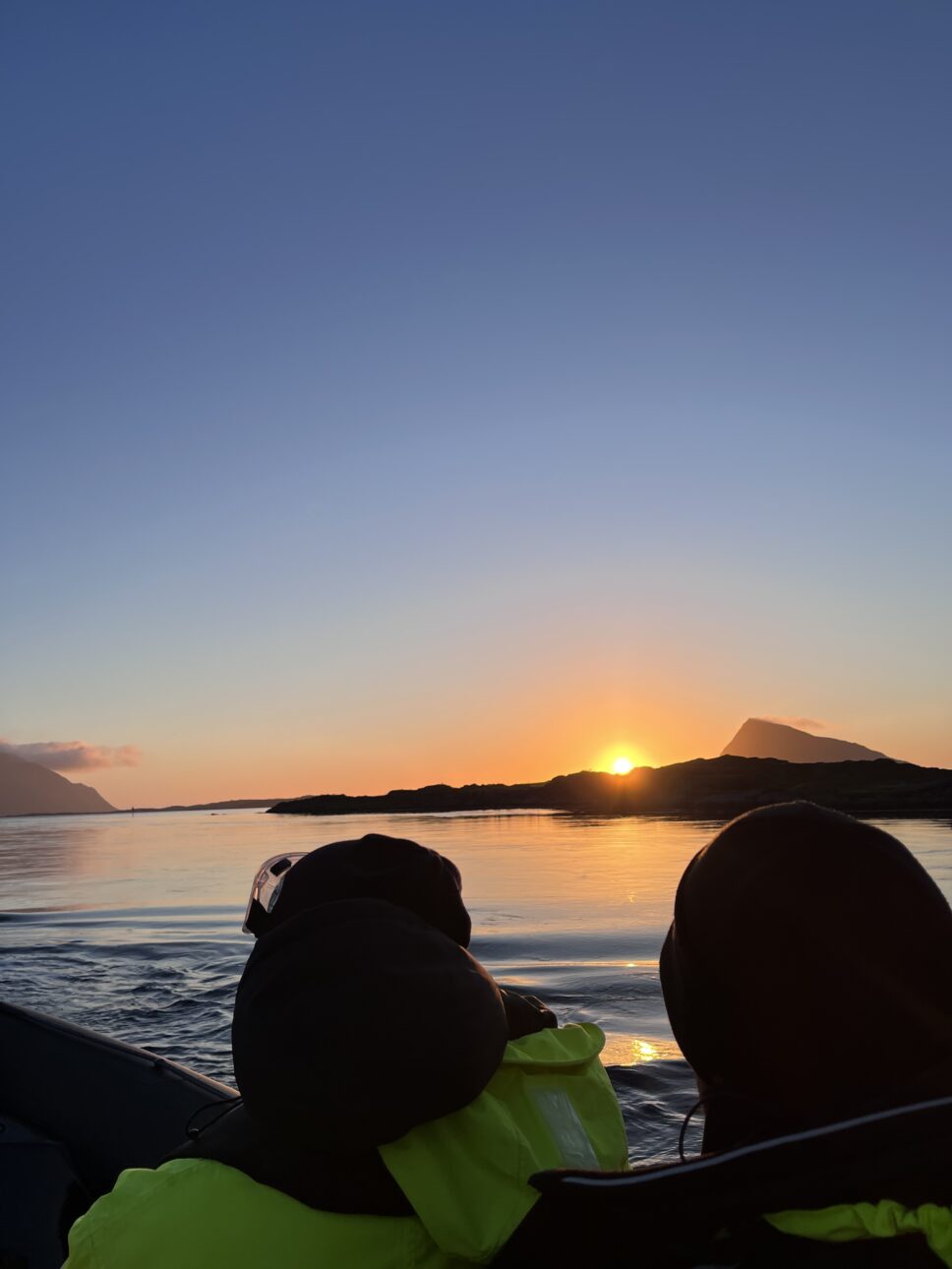
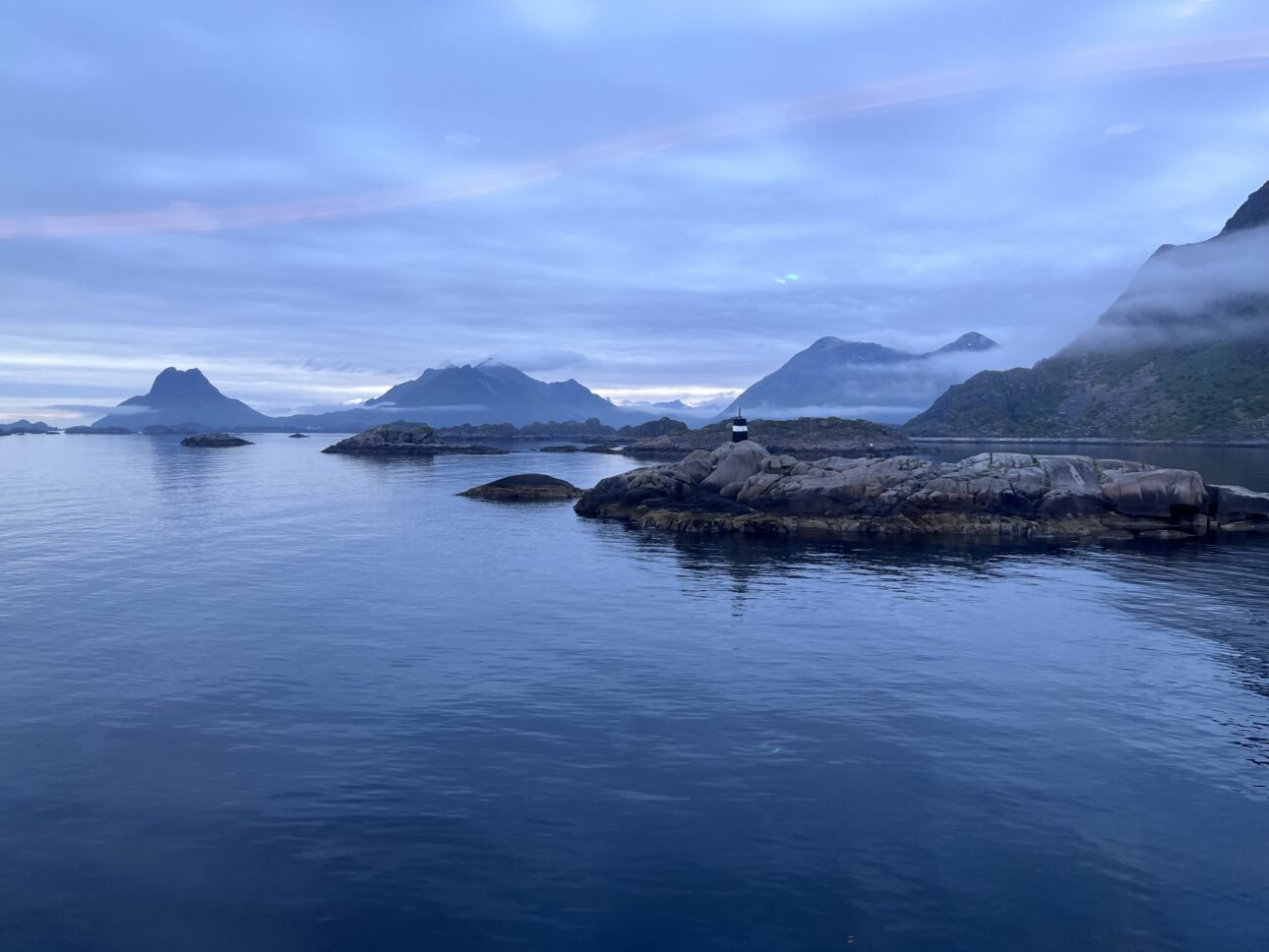
On Friday lunchtime, my office mates arrived in the Lofoten Islands. What followed was a two-and-a-half-day packed programme: hiking, fishing, playing football, kayaking and buying wool for my next knitting project. And so I was delighted to say my goodbyes on Monday morning and take the bus across the Lofoten Islands. This also gave me the chance to marvel at the west coast and visit the Lofotr Viking Museum.
Using Entur, the official travel planner and ticketing service for local and long-distance public transport in Norway, I was able to easily book seats on the trains and buy tickets for the bus to the Lofoten Islands.
Three days along the coast
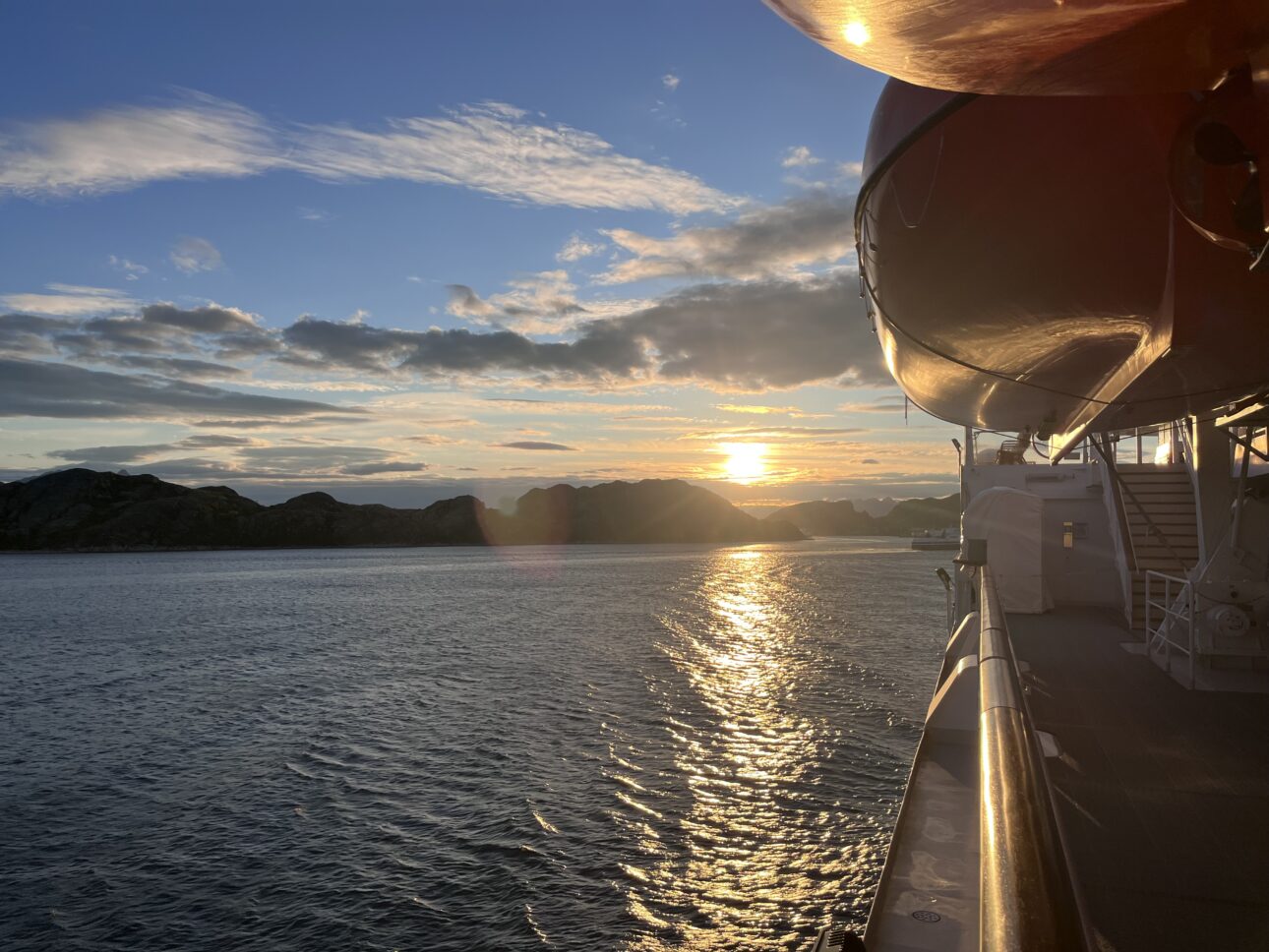
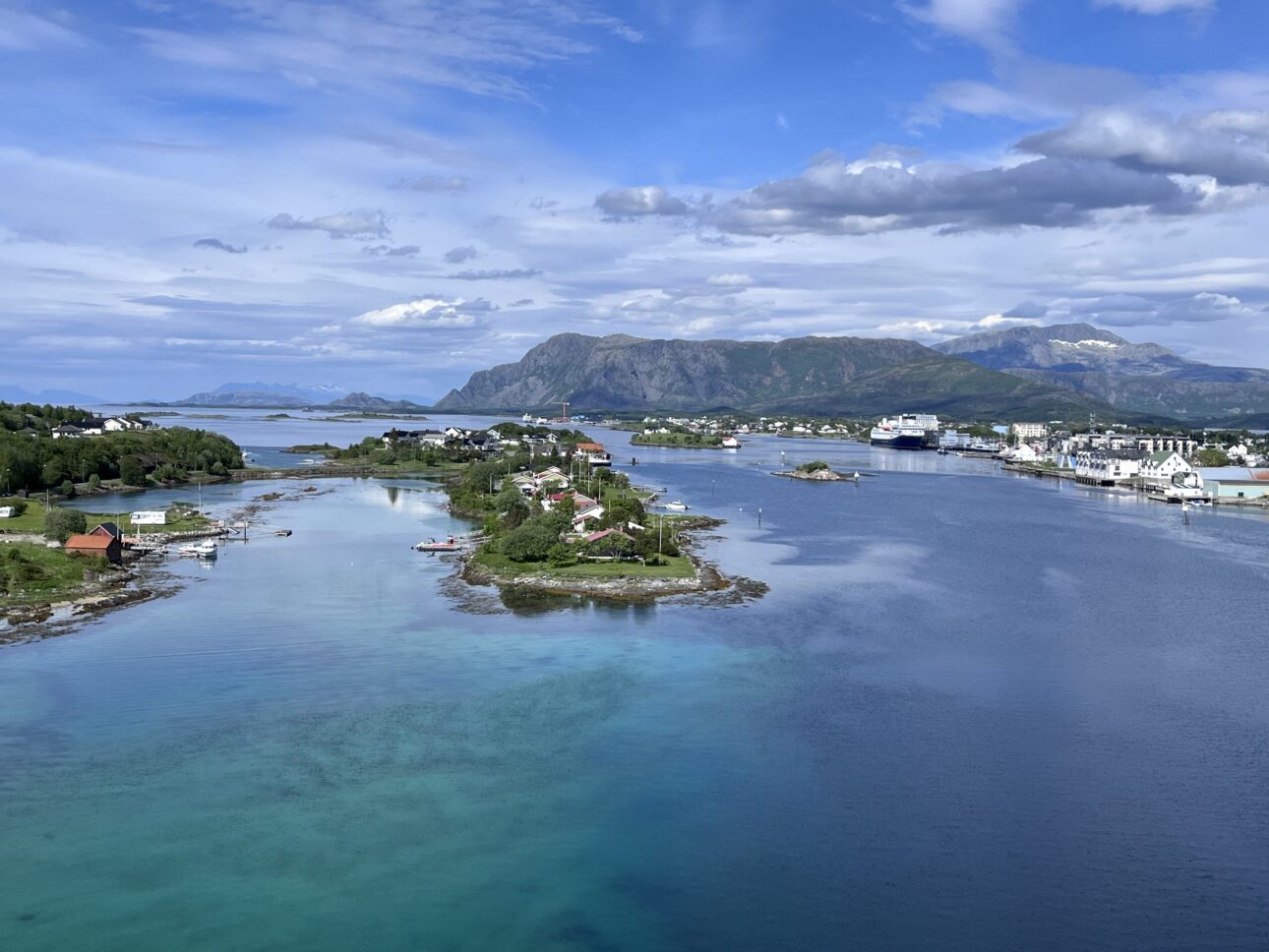
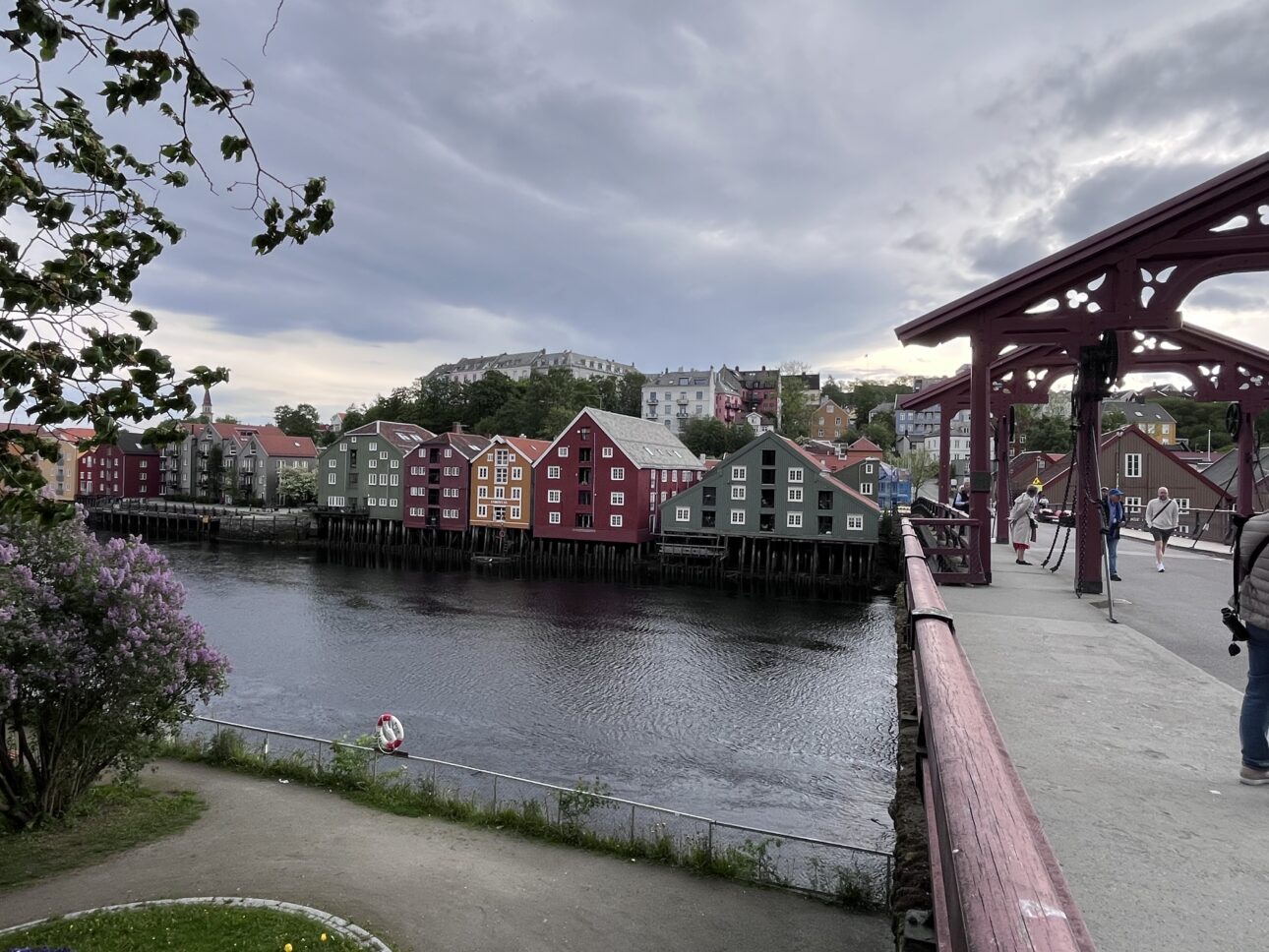
On Tuesday evening, I boarded the same Havila ship again, which had since sailed to Kirkenes and back with up to 640 passengers on board. I travelled southwards along the Norwegian coast for three days and three nights, all the way to Bergen. The best bit was that there were frequent short stops along the way, giving us the chance to explore the towns ashore.
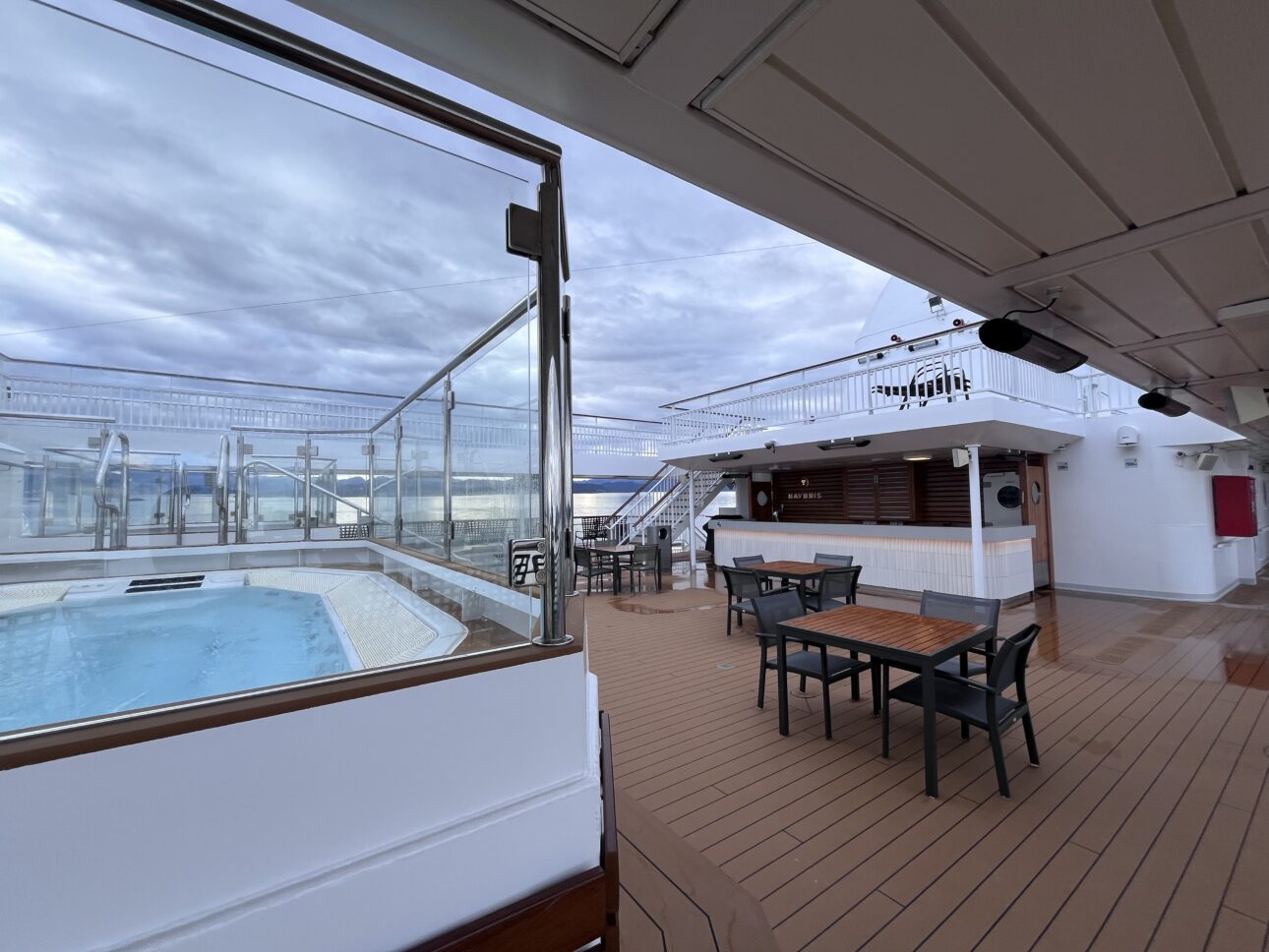
Thanks to the world’s largest battery packs ever fitted to a passenger ship, the vessel can glide silently and emission-free through the fjords for up to four hours. There are also two small swimming pools, a sauna and fitness rooms on board. Just as I had done on the train, I spent my time on the ship knitting and reading. What’s more, thanks to the lovely weather, I spent plenty of time on deck at all hours of the day.
In Bergen, on Friday evening, I went to see a performance by Norway’s national dance company, had a leisurely dinner and spent a short night at the hostel.
Flåm, fjords and a bit of a shock
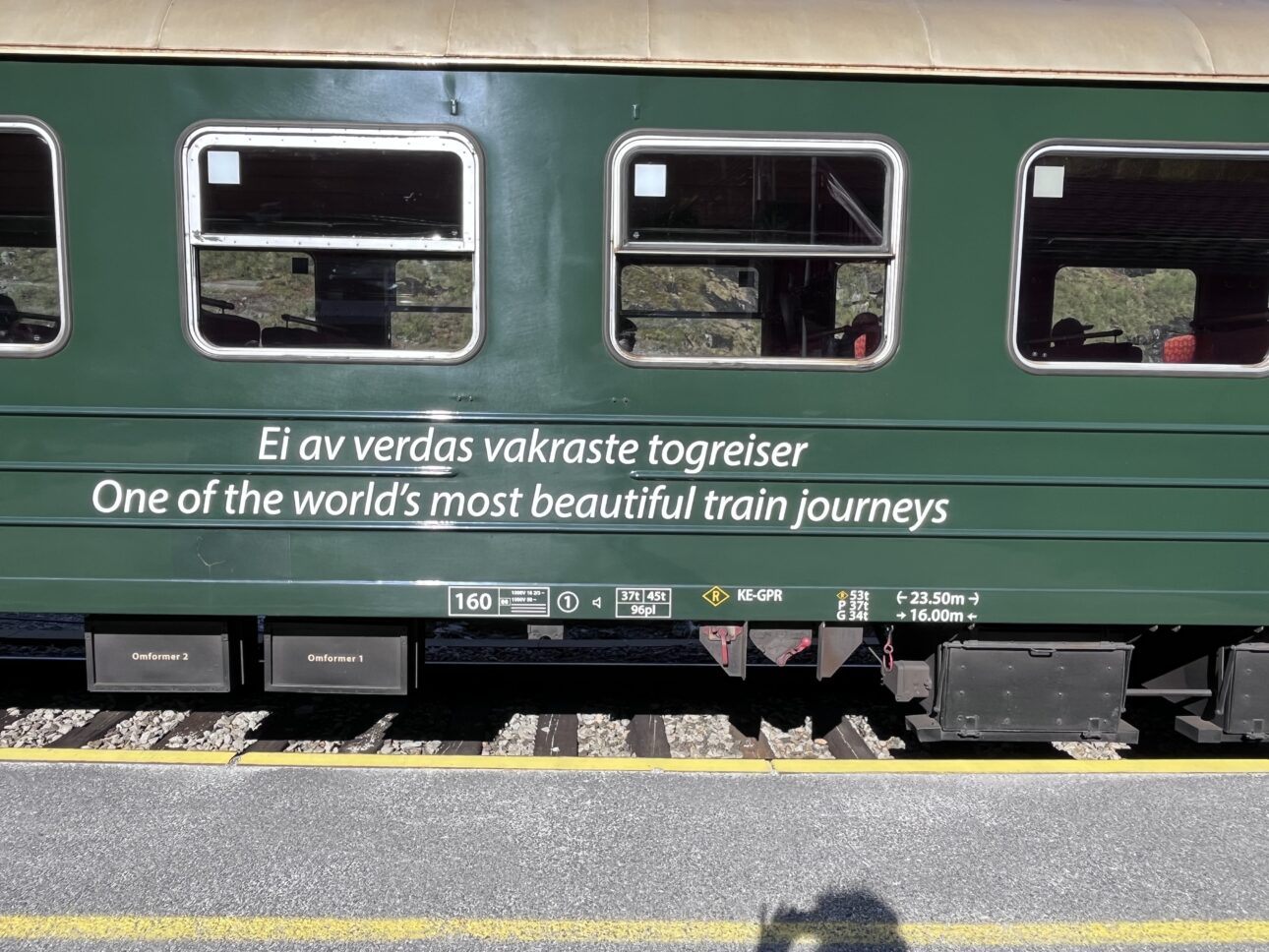
On Saturday, I set off by train towards Oslo, though not directly, of course. At Myrdal, I changed onto the Flåmsbana, a railway line that opened in 1940, and travelled down to Flåm. There, I went on an emission-free boat trip through the fjords (the Nærøyfjord Cruise electric catamaran) and stayed the night at the Brekke Gard Hostel.
When I saw a cruise ship carrying 3,800 passengers arriving in the harbour at Flåm, it came as a bit of a shock. But I managed to escape early in the morning on the Flåmsbana, pulled by a Swiss locomotive (SLM), up to Myrdal before everyone descended on the little village.
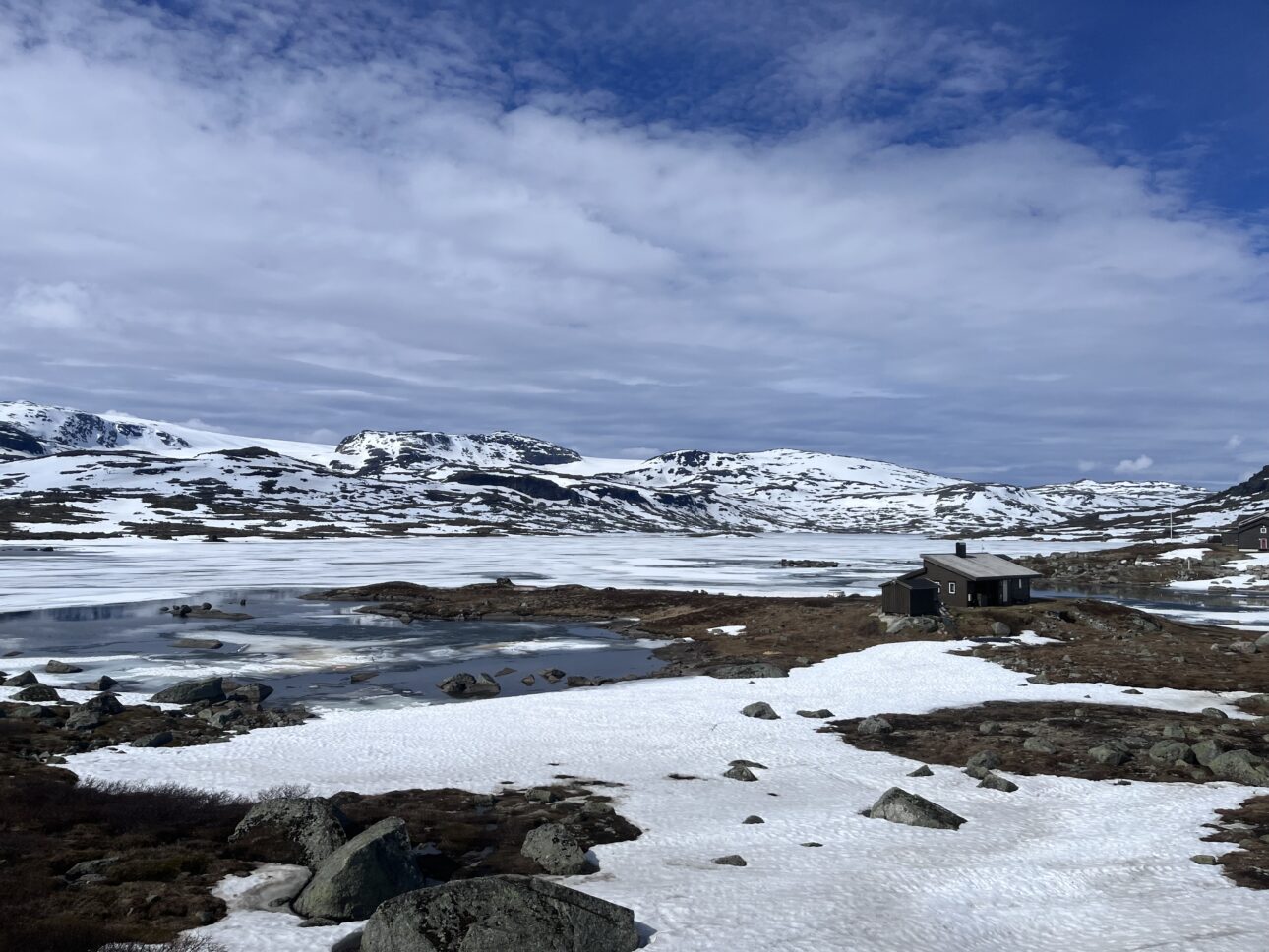
In Myrdal, I boarded the Bergen Railway to Oslo once again. The journey through the varied landscape, across the Hardangervidda plateau and through the national park of the same name, ended in Oslo after five hours. The 471 km route from Bergen to Oslo was opened in 1909 after 15 years of construction and is fully electrified. After a short stop, I carried on to Gothenburg. Up to that point, everything had gone without a hitch.
An adventurous finale
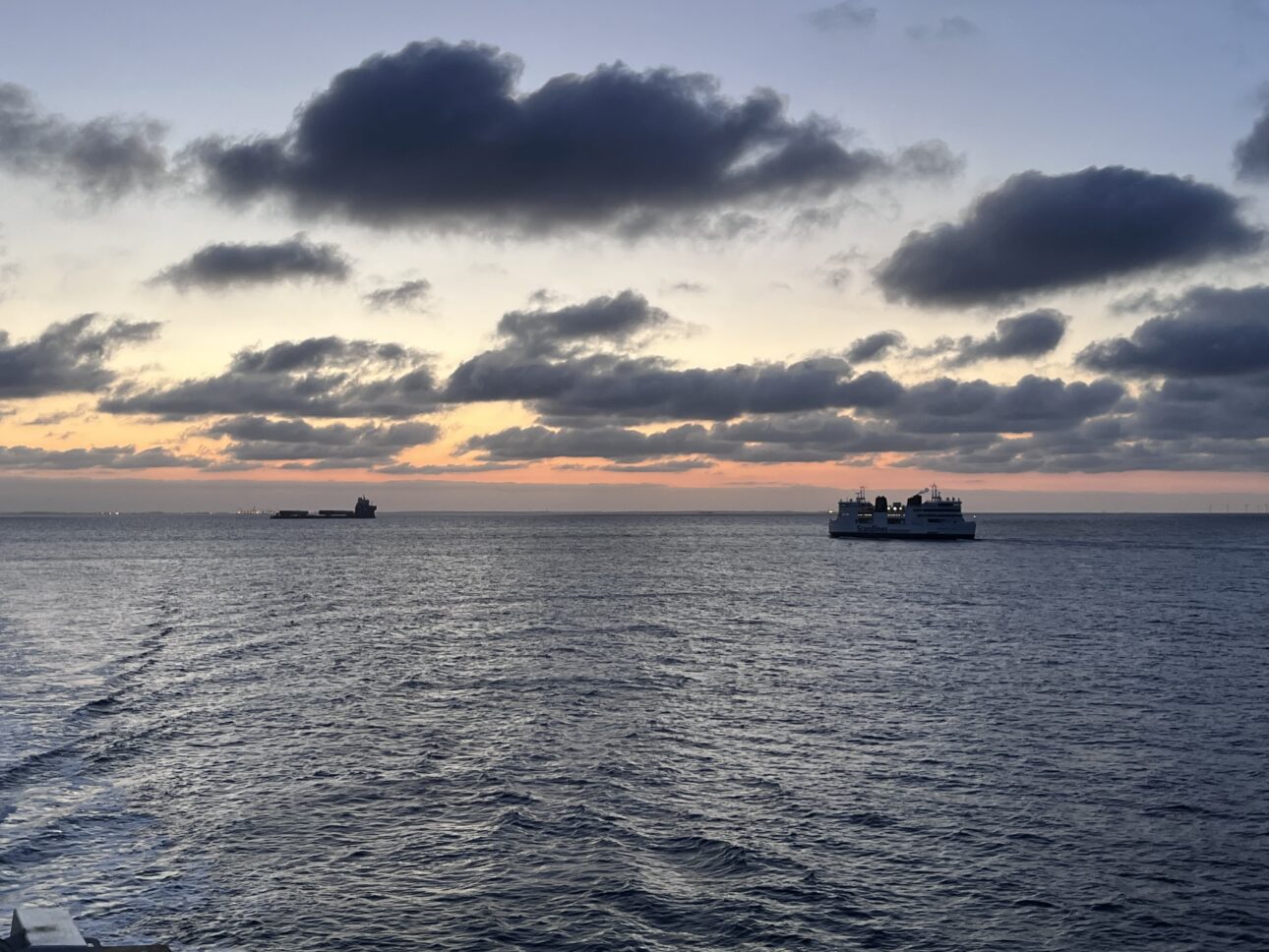
The night train from Gothenburg to Hamburg turned out to be something of an adventure, though we’d already realised that as soon as we boarded. Due to power supply problems in Denmark, the train only went as far as Malmö. At 0.30 am, we had to change to a replacement coach service; the coach was already waiting. After a three-hour journey, we boarded the ferry to Germany.
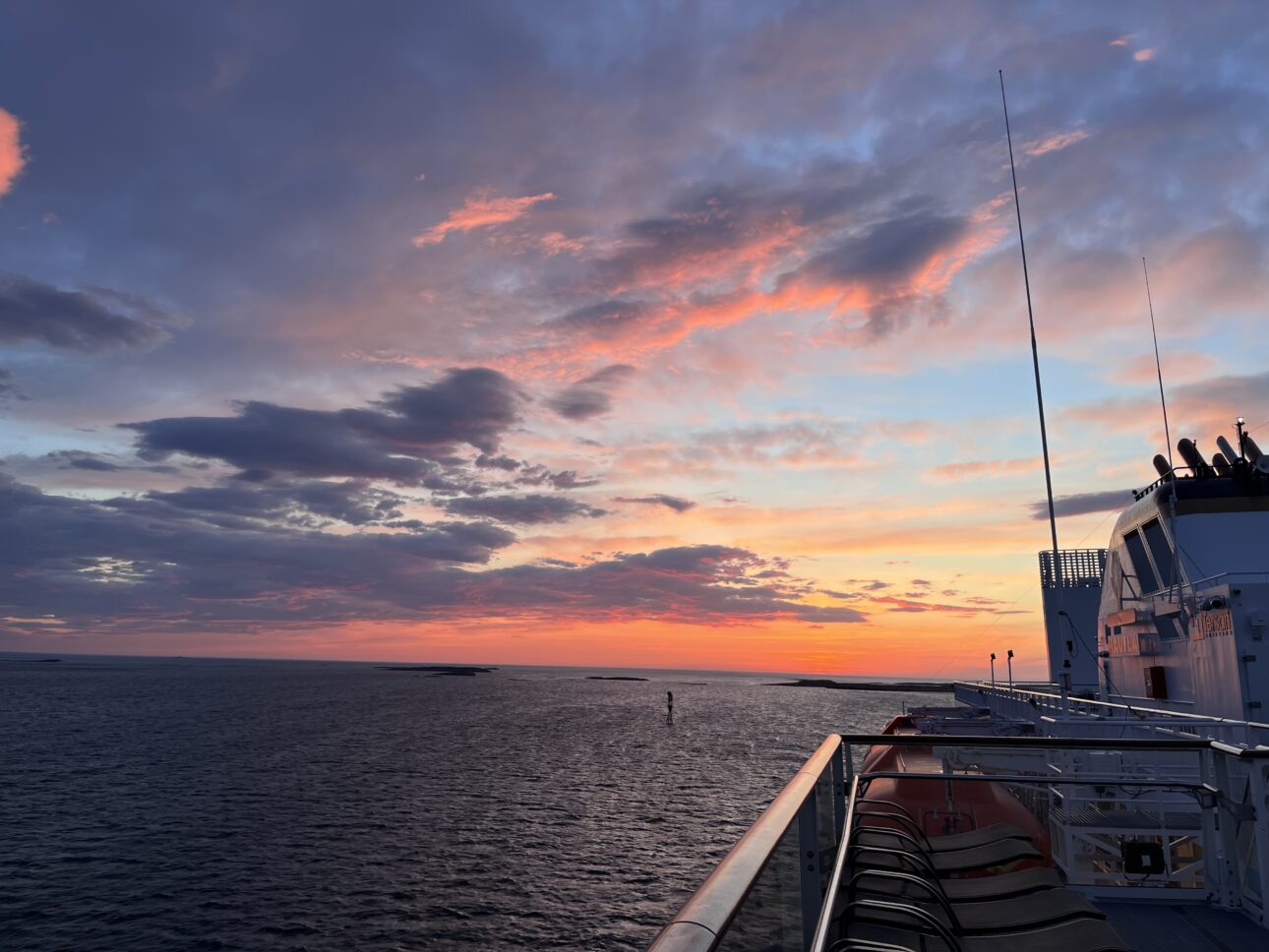
I’d been hoping for a bit more sleep that night. To make up for it, I was treated to a beautiful morning scene on the ferry deck, and we arrived in Hamburg even earlier than planned by train.
Exactly two weeks later, I was back in Hamburg. During the day, I travelled via Mannheim and Basel to Zurich and then home to Winterthur. And I knew for sure: this year, too, I’ll be buying a first-class Interrail ticket at the special offer price. Because I want to be travelling terran in 2027 as well.
About the author:
Karin Bührer has made a conscious decision not to fly for several years now in order to reduce her personal carbon footprint, and instead enjoys the slower pace of travelling terran. She also wants to do her bit to ensure that the world remains a liveable place for our descendants.